HVAC Repair in Dublin, CA
Furnace Installation in Danville
Properly sized gas and electric furnace replacements for Danville houses and townhomes, from assessment to startup.
HVAC Repair in Dublin, CA
Properly sized gas and electric furnace replacements for Danville houses and townhomes, from assessment to startup.
Replacing a furnace is a bigger decision than a repair, and it deserves a careful look at your home rather than a quick swap of whatever was there before. Many Danville houses still run equipment that was sized long ago, sometimes before additions, window upgrades or attic insulation changed how the home holds heat.
We install gas and electric furnaces for Danville homeowners, from single-family houses to townhomes with compact equipment closets. Our approach starts with understanding how you use your home and ends with a system set up to match it.
None of these automatically means replacement, but two or three together usually point in that direction.
Furnaces here are often tucked into garages, hallway closets or attics. Attic installations in older homes can involve tight access and long duct runs, while townhome closets limit cabinet size and venting routes. Homes from the 1970s through the 1990s may also have ductwork that was never designed for the airflow newer equipment expects, so we evaluate whether existing ducts can support the new furnace. Because winters are cool rather than harsh, many households do well with a moderate-capacity system, but the right answer always comes from the numbers, not a rule of thumb.
A new furnace works with the rest of your system, not in isolation. Some homeowners pair installation with:
You can, but the original unit may not have been sized correctly, or your home may have changed since. A load calculation gives a more reliable starting point.
The timeline depends on equipment location, venting and whether ductwork needs changes. We will give you a clear schedule before work begins.
Not always. If your AC is relatively new and compatible, it may stay. If it is aging, replacing both together can make matching components easier. We will go over both paths with you.
Here to Help
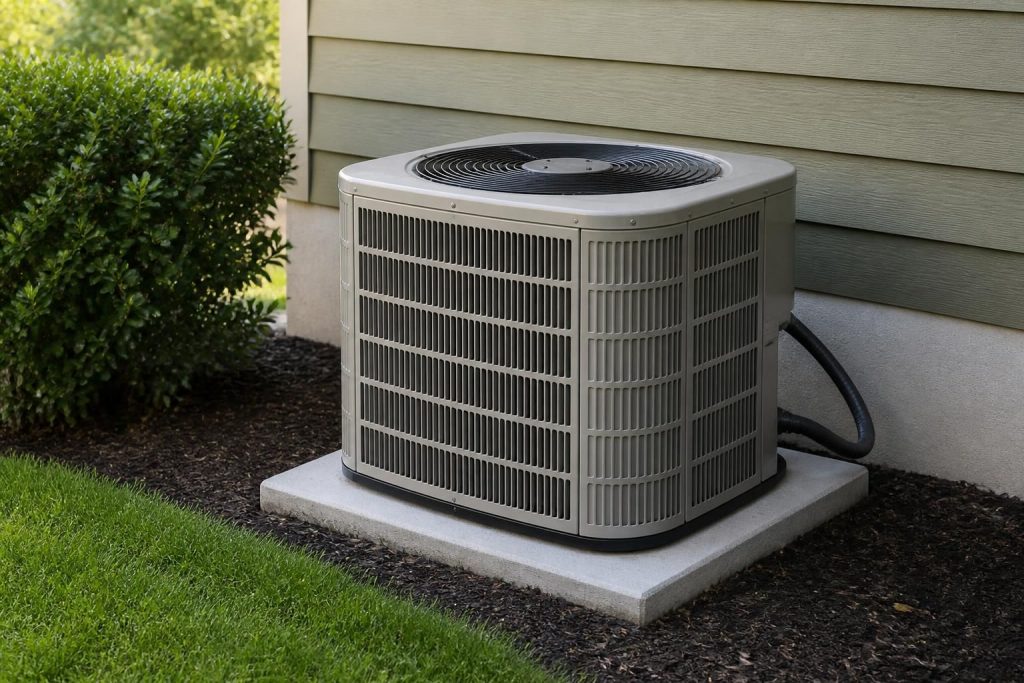
Fast AC repair for Dublin, California homes with weak airflow, warm air, strange sounds, and repeat breakdowns.
Learn More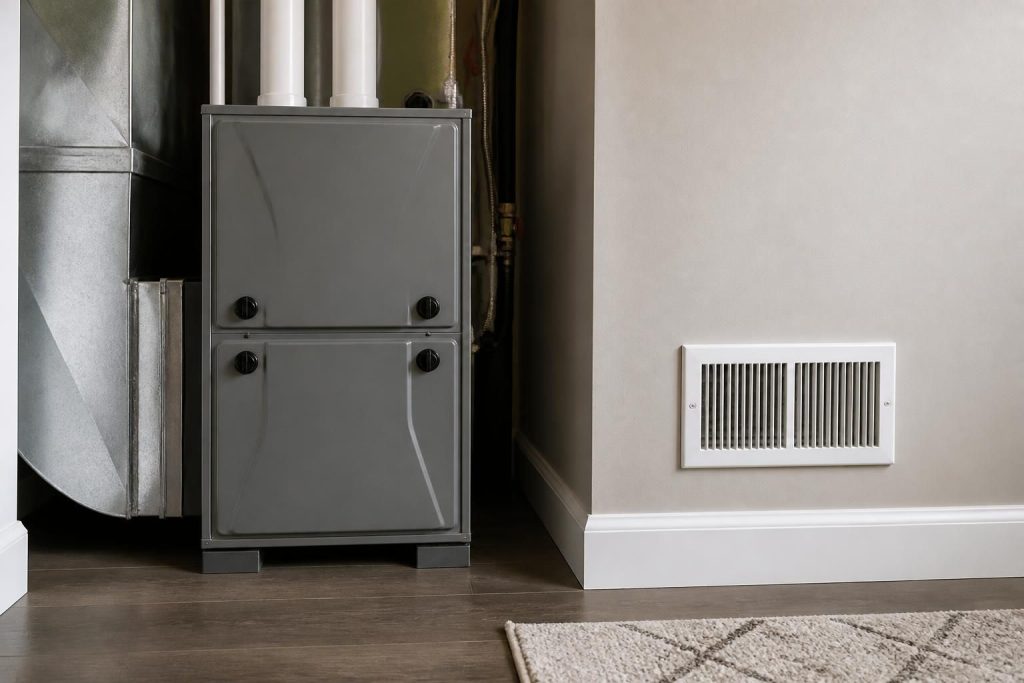
Heating problems can leave your Dublin home cold, uneven, and uncomfortable fast.
Learn More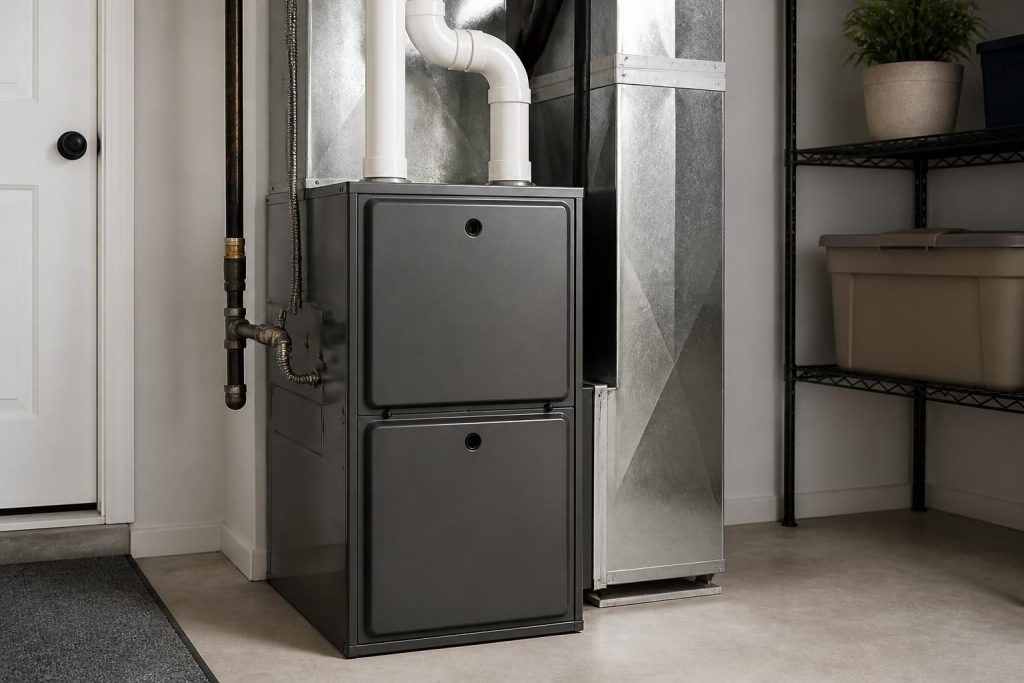
Need a new furnace in Dublin, California? Get clear guidance, fast scheduling, and careful installation.
Learn More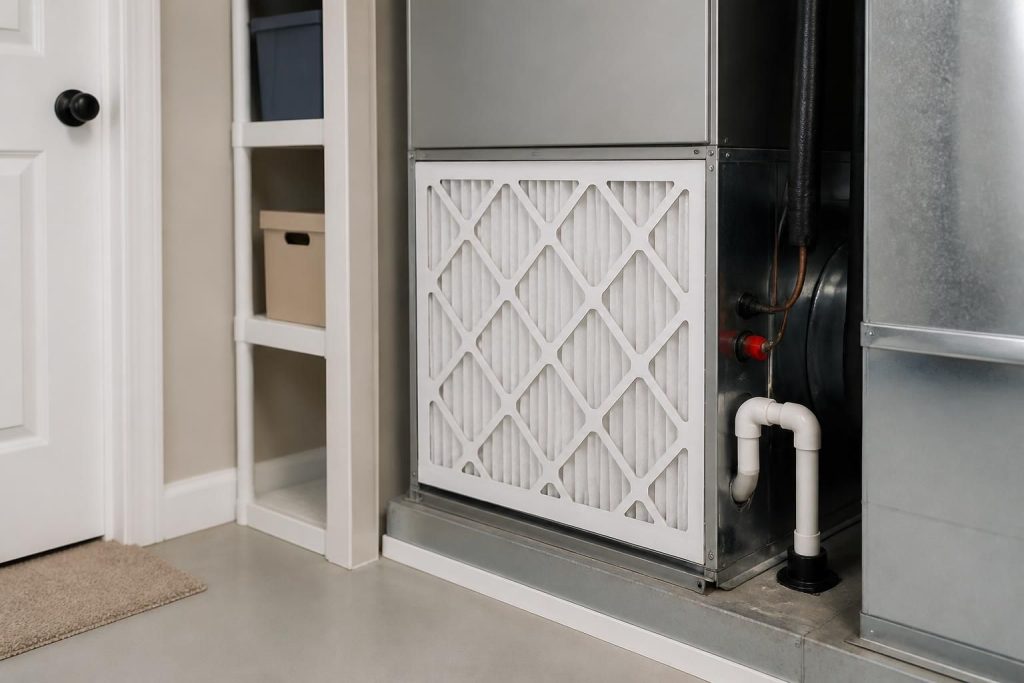
Keep your HVAC system steady, efficient, and ready for daily use in Dublin.
Learn More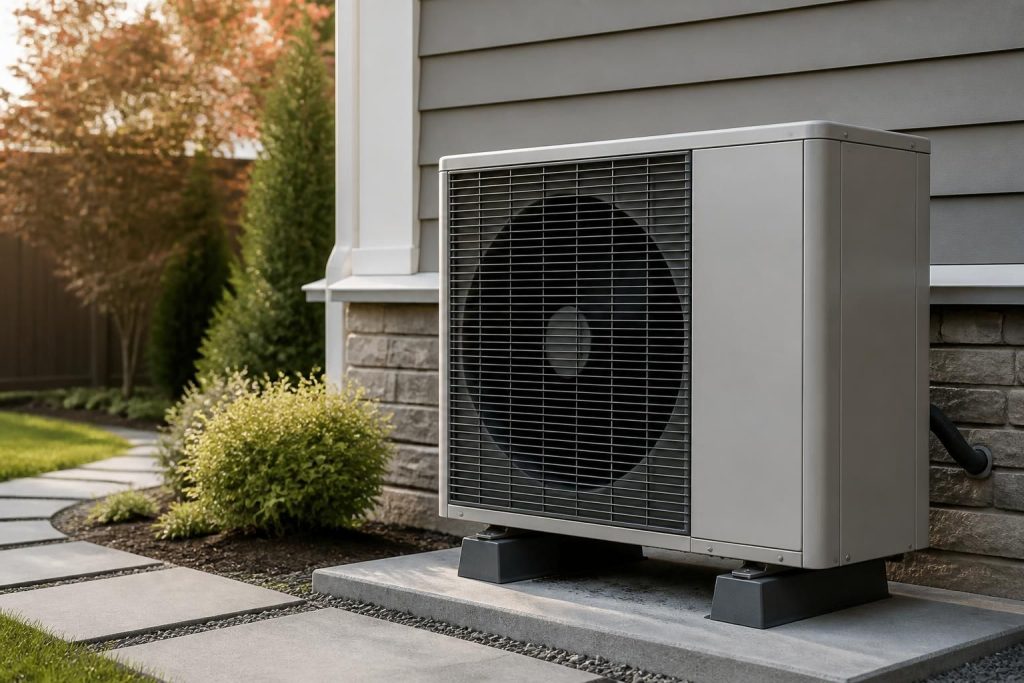
Keep your heat pump steady, quiet, and ready with local service from ReliableFix HVAC Repair Service.
Learn More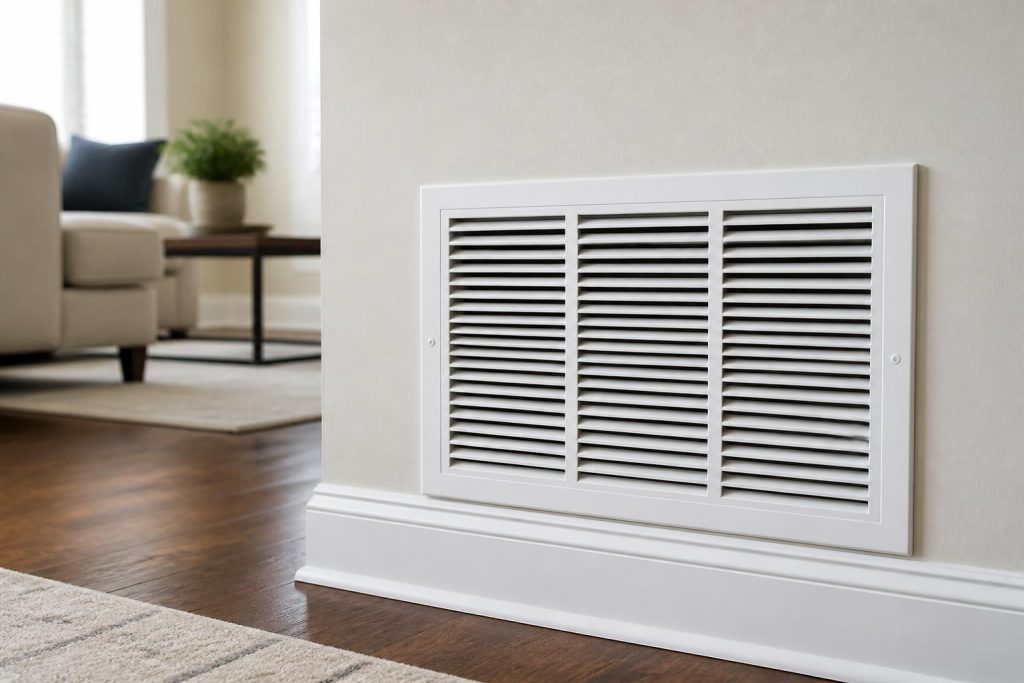
Clear out dust, buildup, and stale air with duct cleaning for Dublin homes.
Learn More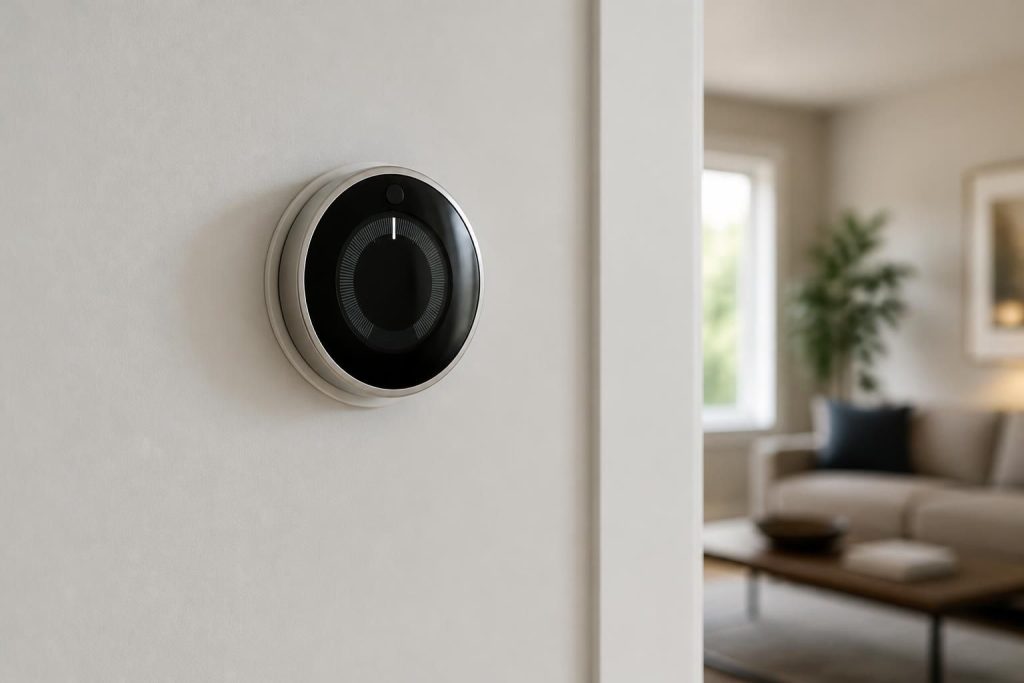
Restore accurate temperature control with thermostat repair service for Dublin, California homes.
Learn More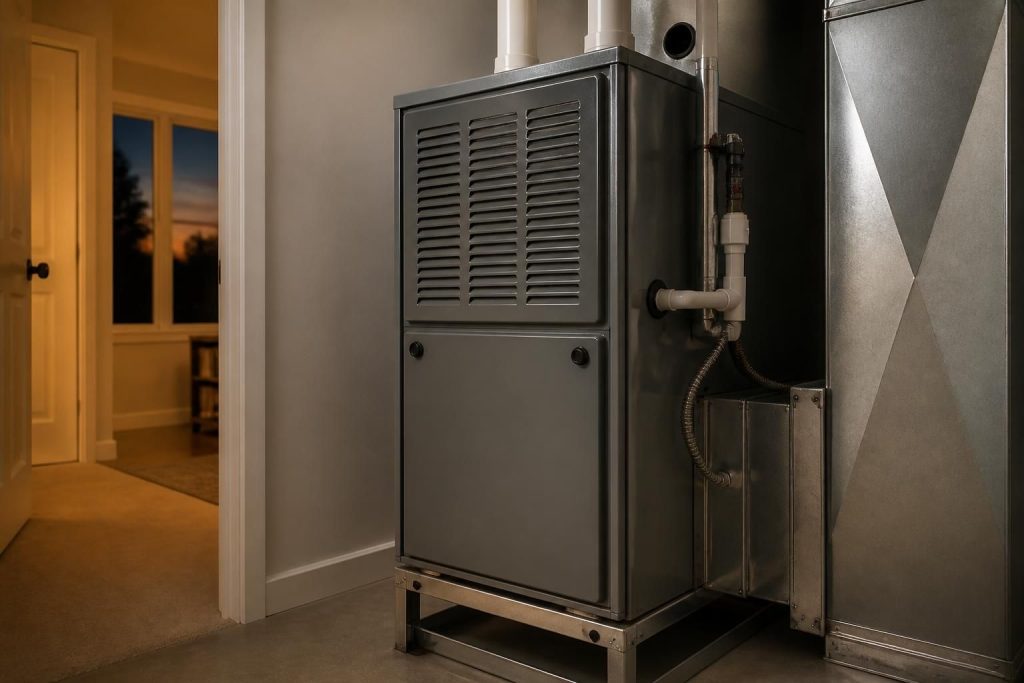
Fast HVAC help for sudden heating or cooling breakdowns, right when Dublin homes need it.
Learn More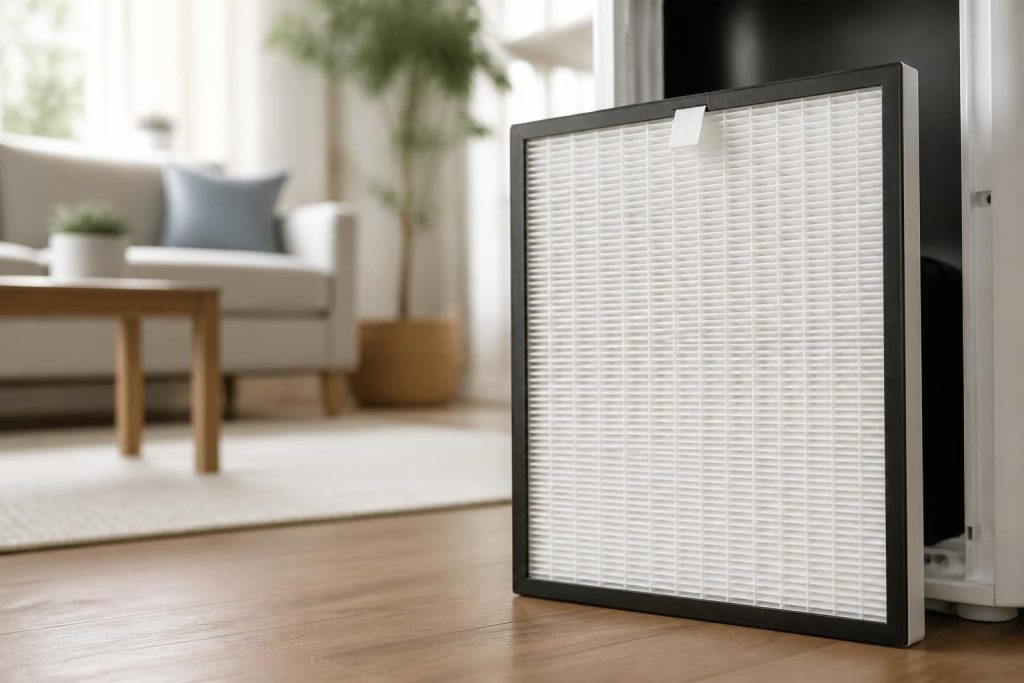
Cleaner indoor air starts with solving the dust, odor, and airflow problems you keep noticing.
Learn More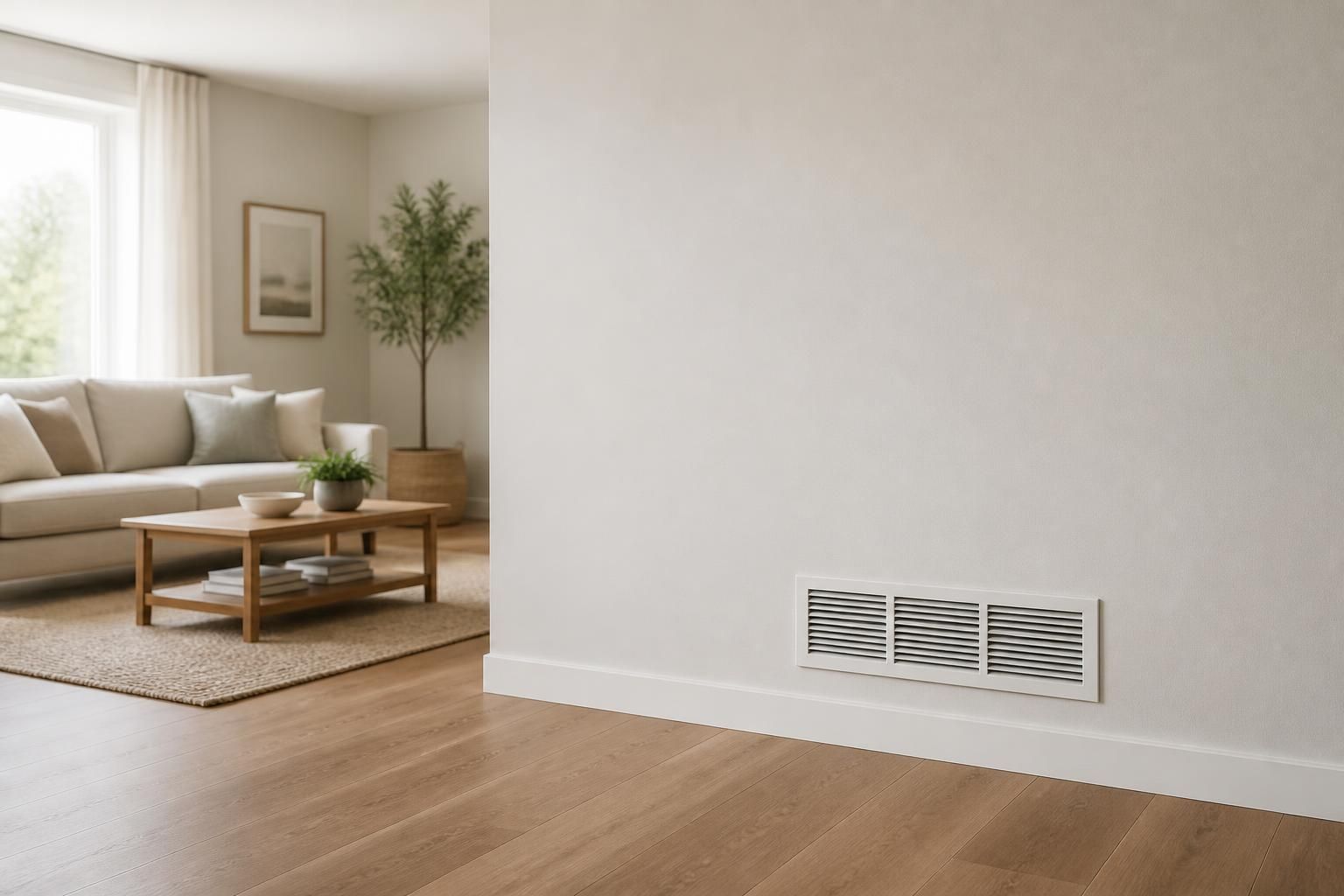
Tell us what your system is doing and we will help you take the next step with clear communication and prompt support.