HVAC Repair in Dublin, CA
Furnace Installation in Pleasanton
Properly sized furnace replacement for Pleasanton homes, from assessment and planning through startup.
HVAC Repair in Dublin, CA
Properly sized furnace replacement for Pleasanton homes, from assessment and planning through startup.
Replacing a furnace is a bigger decision than a repair, and it deserves a careful look at your home, your comfort goals, and the equipment already in place. We install new furnaces for Pleasanton homeowners who want dependable heat through the cool, rainy months without the guesswork.
Our process starts with understanding how your house heats today, then matching a system to the space rather than simply swapping in the same size unit.
There is no single age when a furnace must be replaced, but certain patterns suggest replacement may make more sense than another repair:
A good installation is mostly planning. Before any equipment arrives, we look at your current furnace, ductwork, venting, gas line, and electrical connections. We also consider the square footage, insulation, windows, and layout of your home so the new unit is sized appropriately. An oversized furnace tends to short cycle, while an undersized one runs nonstop on cold nights.
On installation day, the work typically includes removing the old unit, setting the new furnace, connecting gas and venting, tying into existing ductwork with any needed adjustments, and wiring the thermostat. Before we leave, we start the system, check its operation, and show you how to change the filter and use the controls.
Pleasanton's heating season is shorter than in colder parts of the country, which affects how you weigh upfront options against long-term operating costs. Local housing matters too.
Homes from the 1970s through the 1990s often have furnaces in garages or attics with original sheet metal ducts. Moving to a high-efficiency condensing furnace may require new venting and a condensate drain, which affects placement. Townhomes and houses with tight closets can limit cabinet size, so we measure carefully. Some homeowners also use a replacement as a chance to pair the furnace with a heat pump in a dual fuel setup, letting electric heat handle the many mild winter days.
We lay out the trade-offs between furnace types and features so you can choose what fits your home and budget.
A new furnace performs only as well as the system around it. Consider these alongside your installation:
Many straightforward replacements are completed in a day. Projects that involve new venting, relocating equipment, or duct modifications can take longer, and we will tell you what to expect during planning.
Often, yes. We inspect the ducts for leaks, damage, and sizing issues and let you know whether they can support the new furnace.
Call ReliableFix at (669) 259-1198 to set up an in-home assessment in Pleasanton.
Here to Help
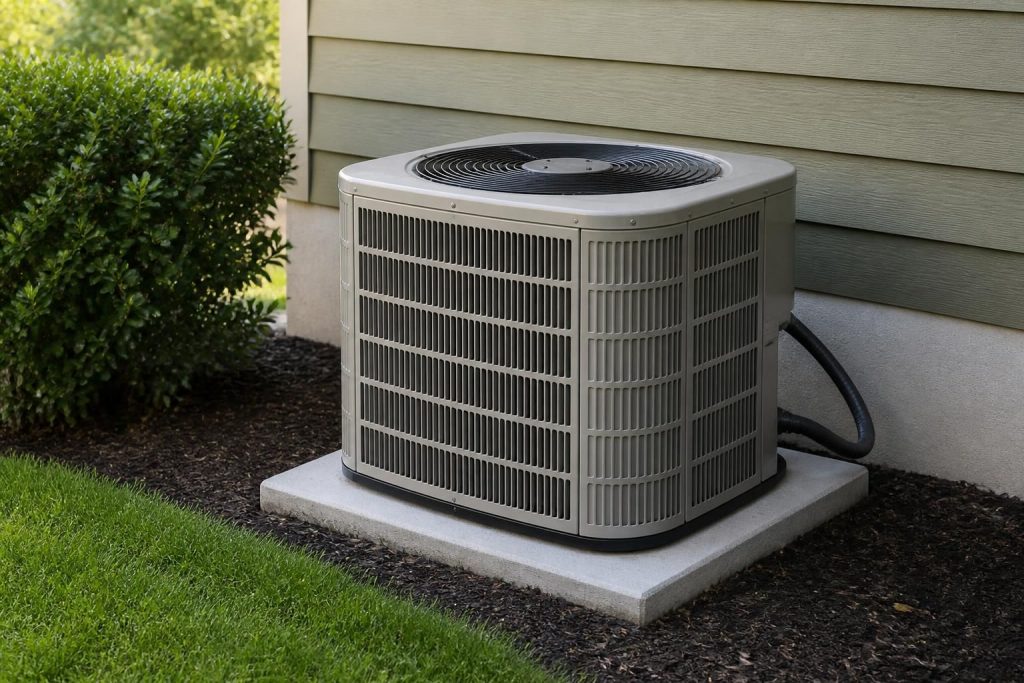
Fast AC repair for Dublin, California homes with weak airflow, warm air, strange sounds, and repeat breakdowns.
Learn More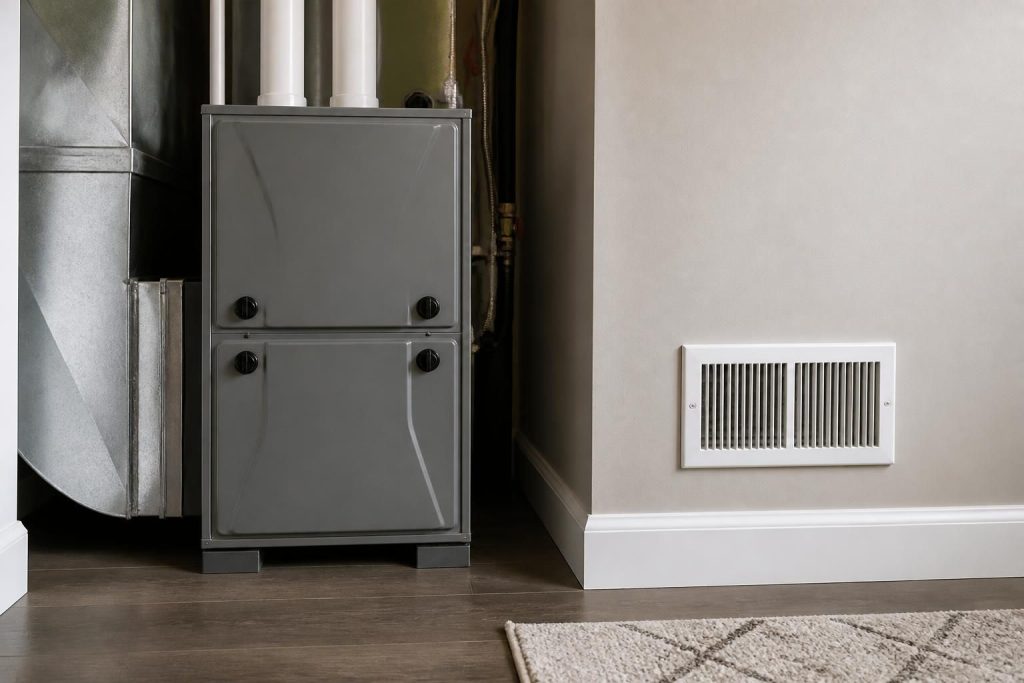
Heating problems can leave your Dublin home cold, uneven, and uncomfortable fast.
Learn More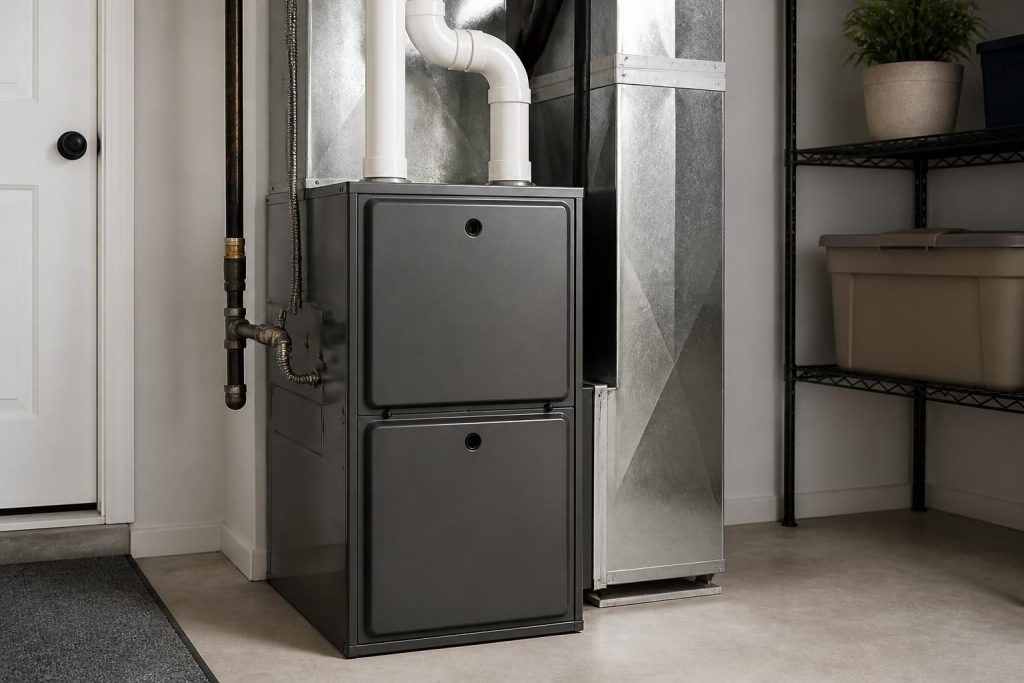
Need a new furnace in Dublin, California? Get clear guidance, fast scheduling, and careful installation.
Learn More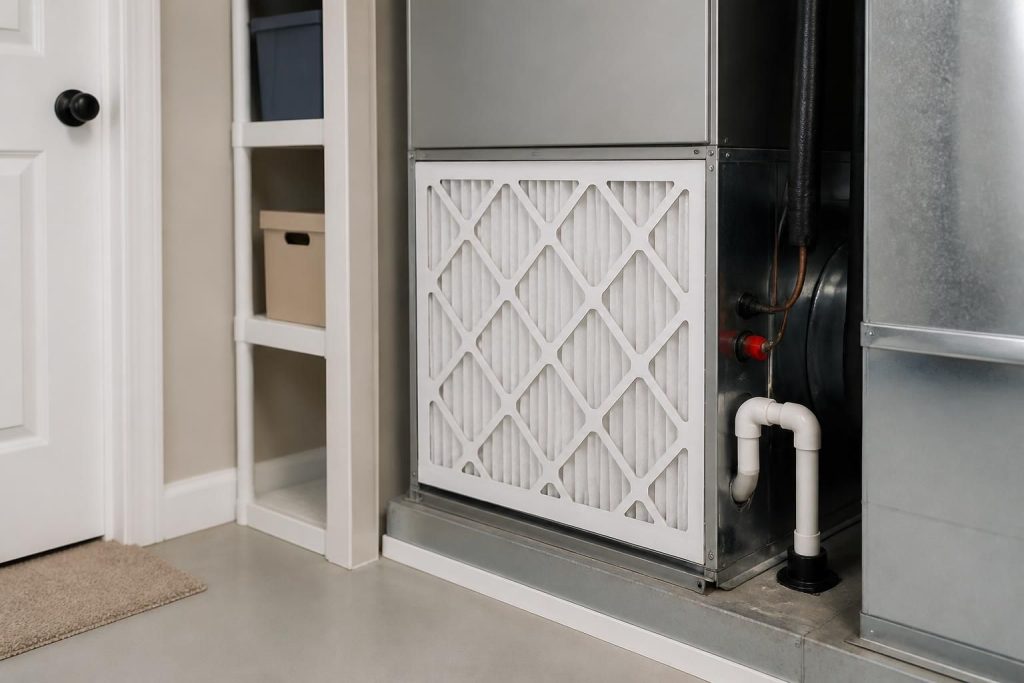
Keep your HVAC system steady, efficient, and ready for daily use in Dublin.
Learn More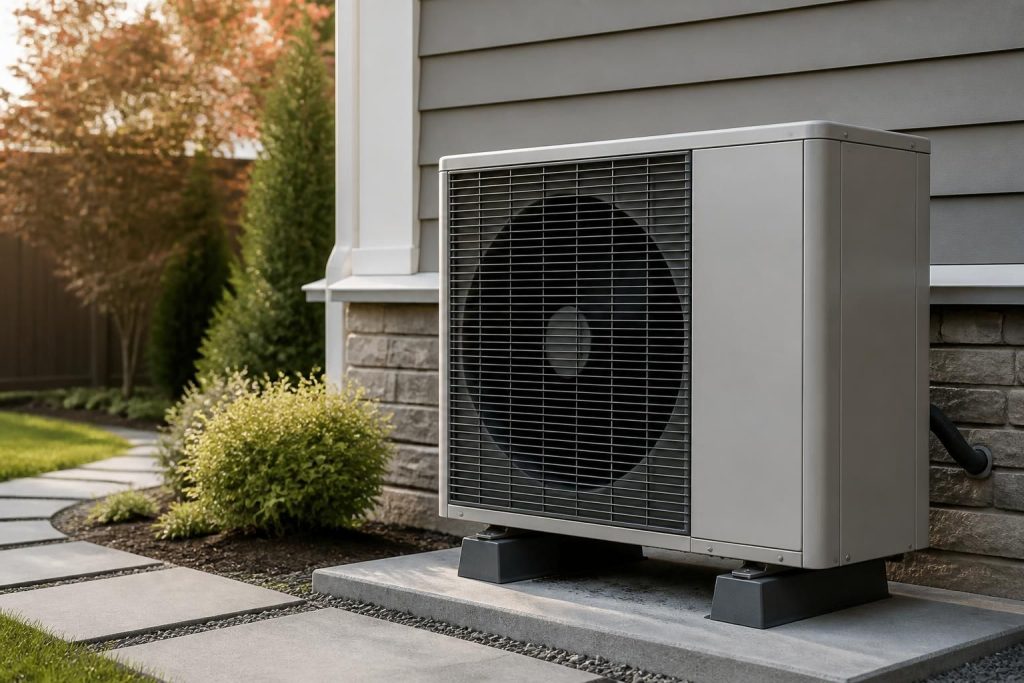
Keep your heat pump steady, quiet, and ready with local service from ReliableFix HVAC Repair Service.
Learn More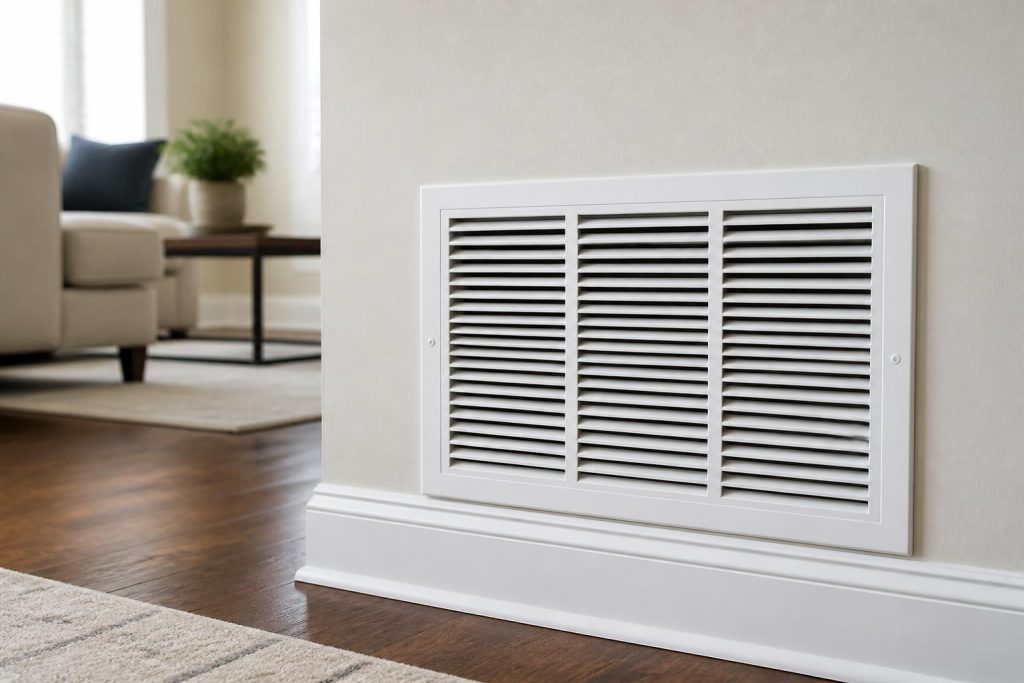
Clear out dust, buildup, and stale air with duct cleaning for Dublin homes.
Learn More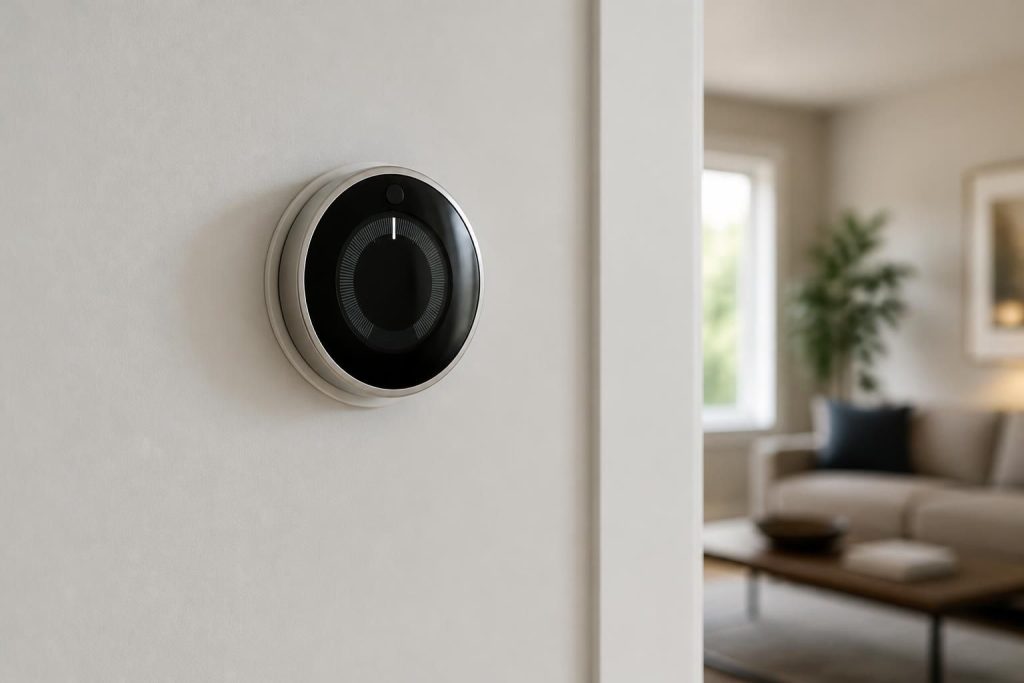
Restore accurate temperature control with thermostat repair service for Dublin, California homes.
Learn More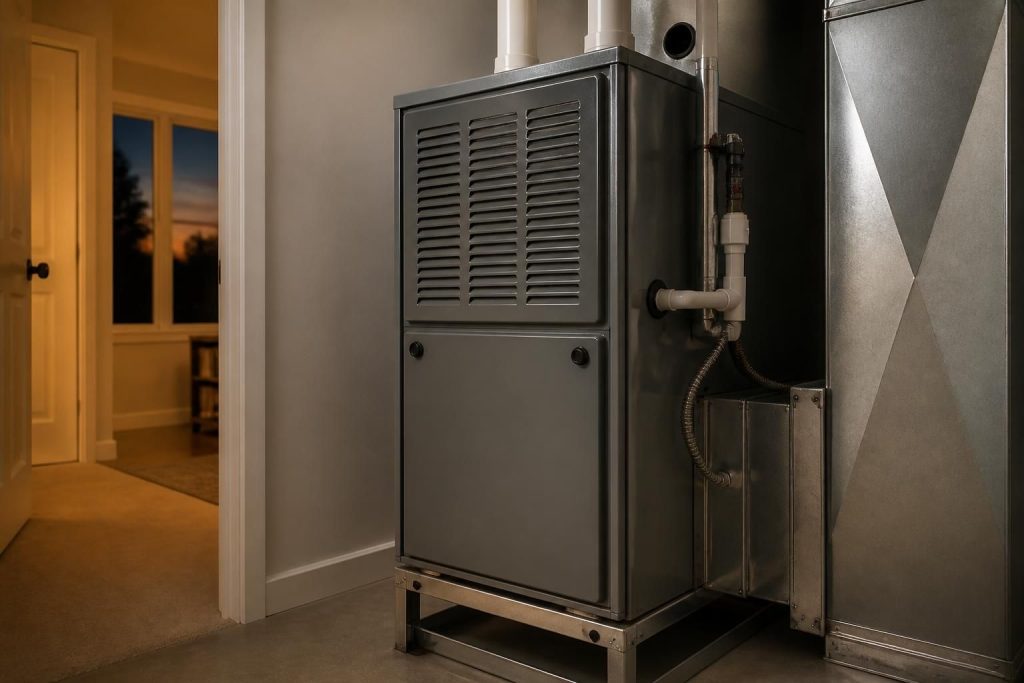
Fast HVAC help for sudden heating or cooling breakdowns, right when Dublin homes need it.
Learn More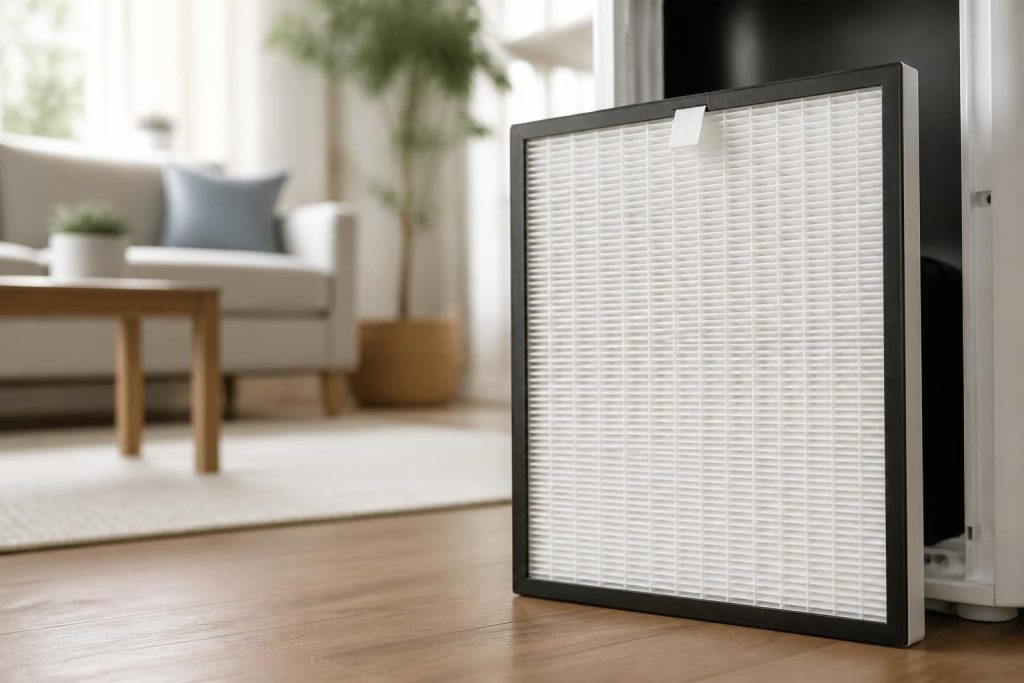
Cleaner indoor air starts with solving the dust, odor, and airflow problems you keep noticing.
Learn More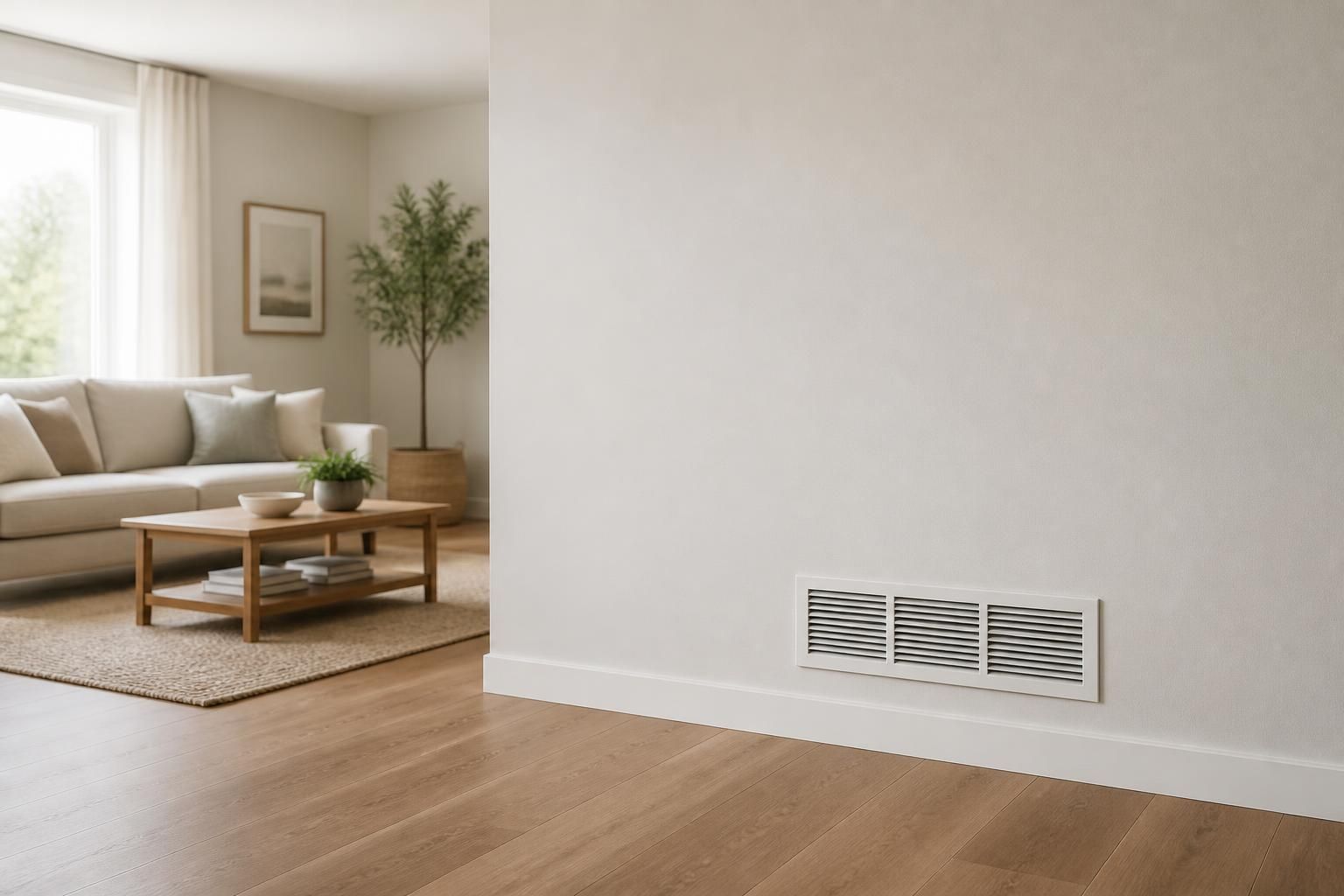
Tell us what your system is doing and we will help you take the next step with clear communication and prompt support.