HVAC Repair in Dublin, CA
Furnace Installation in San Ramon
Correctly sized new furnace installations, including removal of the old unit and full startup testing.
HVAC Repair in Dublin, CA
Correctly sized new furnace installations, including removal of the old unit and full startup testing.
A furnace nearing the end of its useful life tends to announce it through repeated breakdowns, uneven heat, and rising gas bills. If you live in San Ramon and are weighing a replacement, ReliableFix can walk you through the options and handle the installation from start to finish.
Replacing a furnace is a bigger decision than a repair, so we focus on the details: the correct size for your home, a clean fit with your existing ductwork, and safe venting.
Age alone does not decide it, but these patterns often point toward replacement:
Every installation begins with a look at your home rather than a guess based on the old unit's label. A furnace that was oversized years ago will short cycle, and one that is too small will run constantly.
Because local winters are mild compared to colder regions, homeowners sometimes assume any furnace will do. Sizing still matters. An oversized unit in a moderate climate tends to run in short bursts, which wears parts and leaves rooms feeling uneven.
Houses built from the 1970s into the 2000s often have furnaces in garages, attics, or interior closets, and each location has its own clearance and venting requirements. Moving from an older unit to a high efficiency model may also change how the system vents, so we check that before recommending equipment. In townhomes, shared walls and compact mechanical spaces make careful planning even more important.
It depends on where the unit is located, whether venting needs changes, and how much ductwork modification is involved. After assessing your home, we will give you an expected timeline.
Often, yes. We inspect the ducts for leaks, damage, and sizing issues. If they are in reasonable shape, the new furnace can connect to them. If not, we explain what needs attention.
Not always. If your air conditioner is newer and working well, keeping it may make sense. If it is the same age as the furnace, replacing both together can simplify the project and keep the components matched. Call (669) 259-1198 to talk it through.
Here to Help
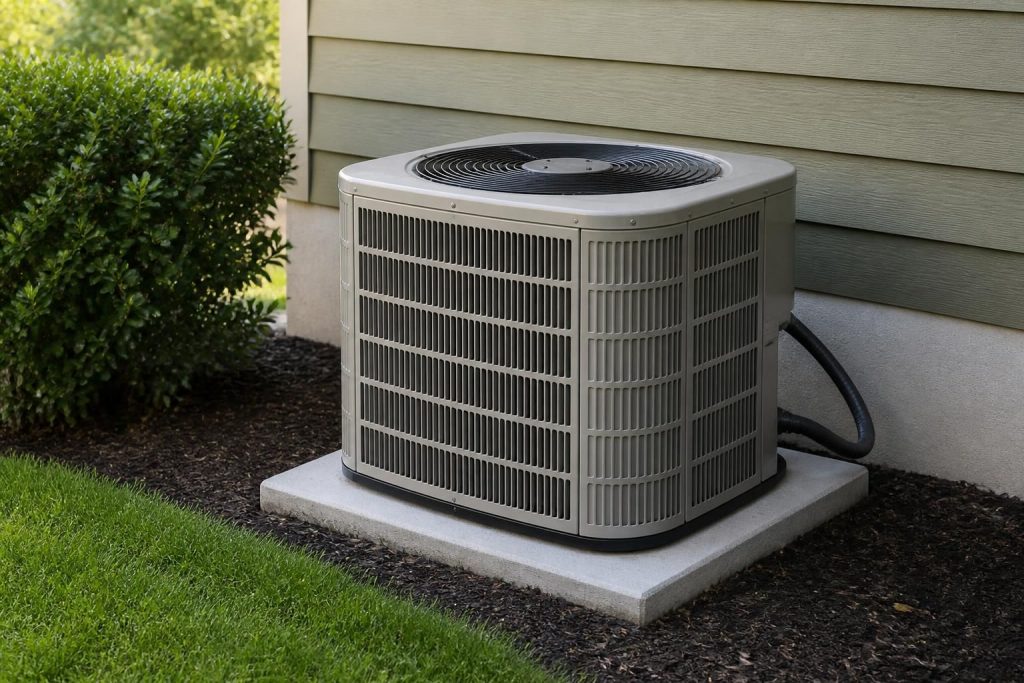
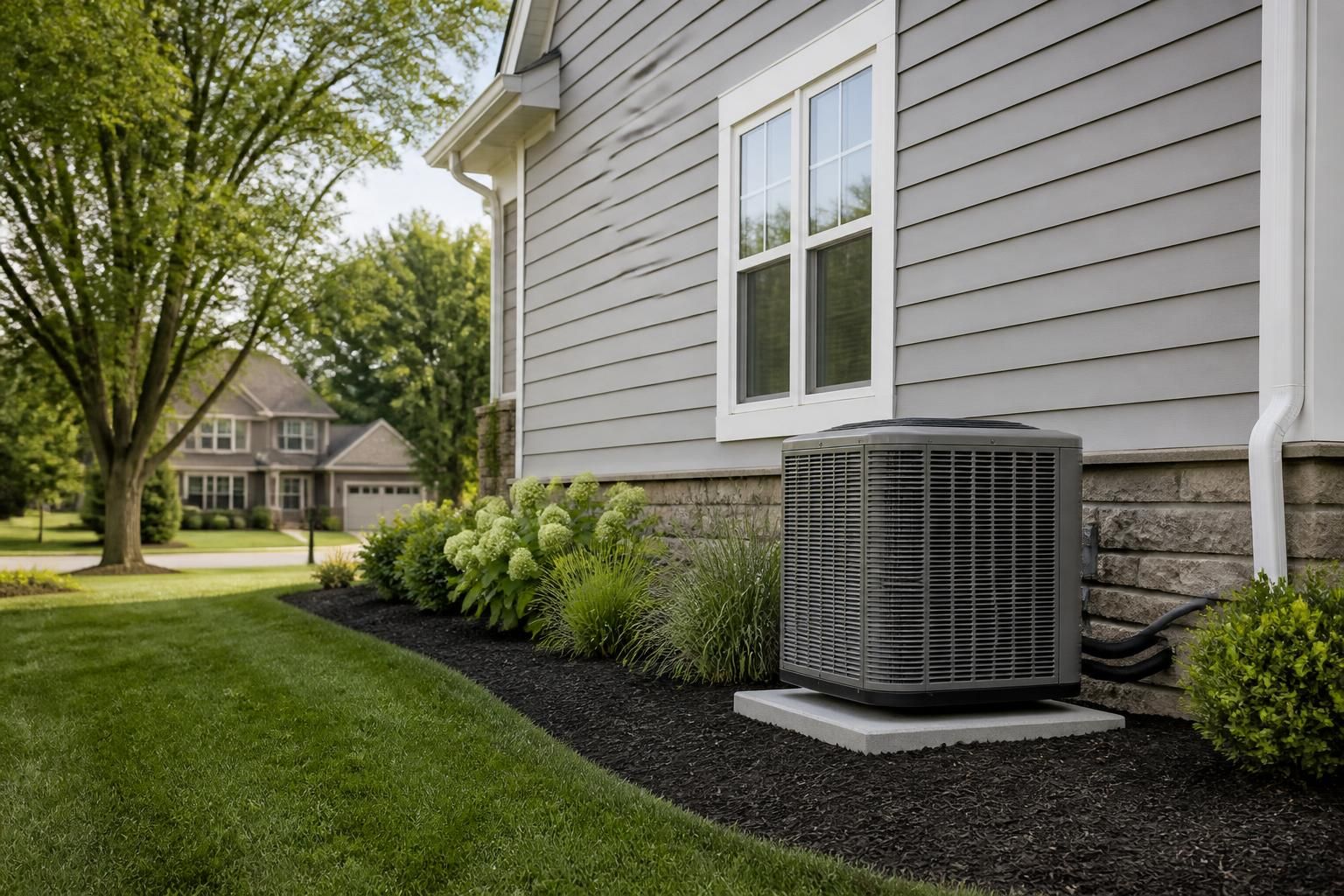
Fast AC repair for Dublin, California homes with weak airflow, warm air, strange sounds, and repeat breakdowns.
Learn More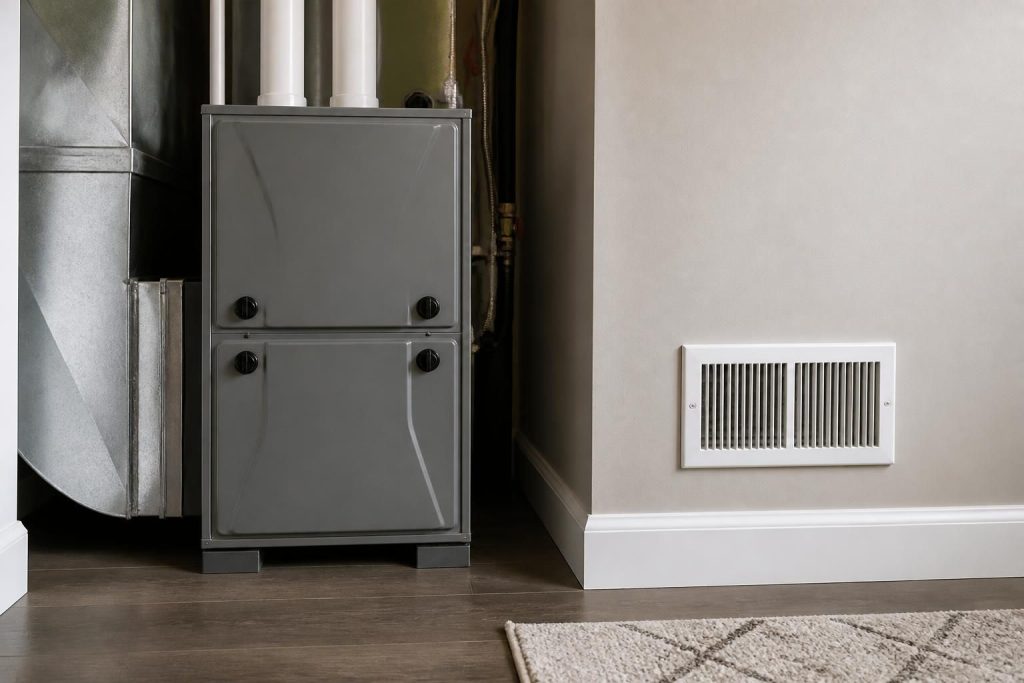
Heating problems can leave your Dublin home cold, uneven, and uncomfortable fast.
Learn More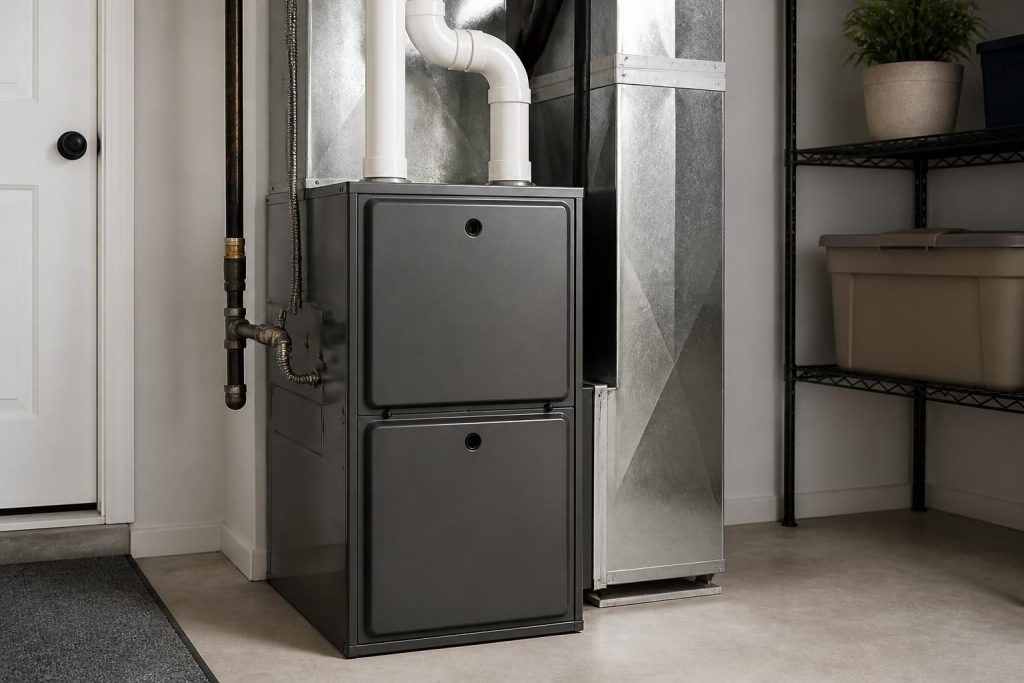
Need a new furnace in Dublin, California? Get clear guidance, fast scheduling, and careful installation.
Learn More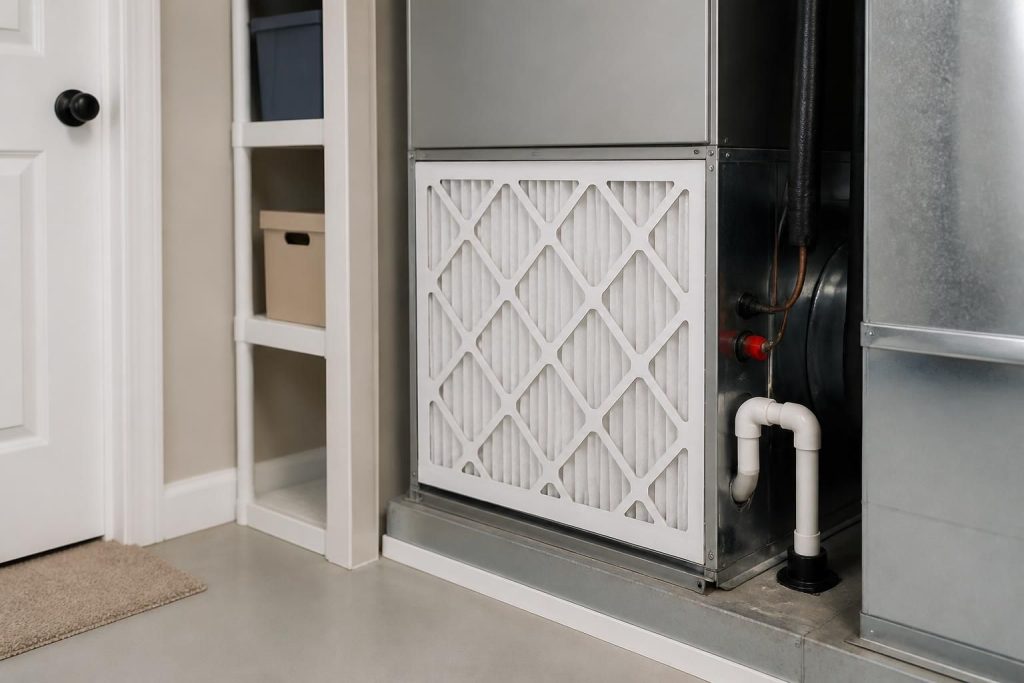
Keep your HVAC system steady, efficient, and ready for daily use in Dublin.
Learn More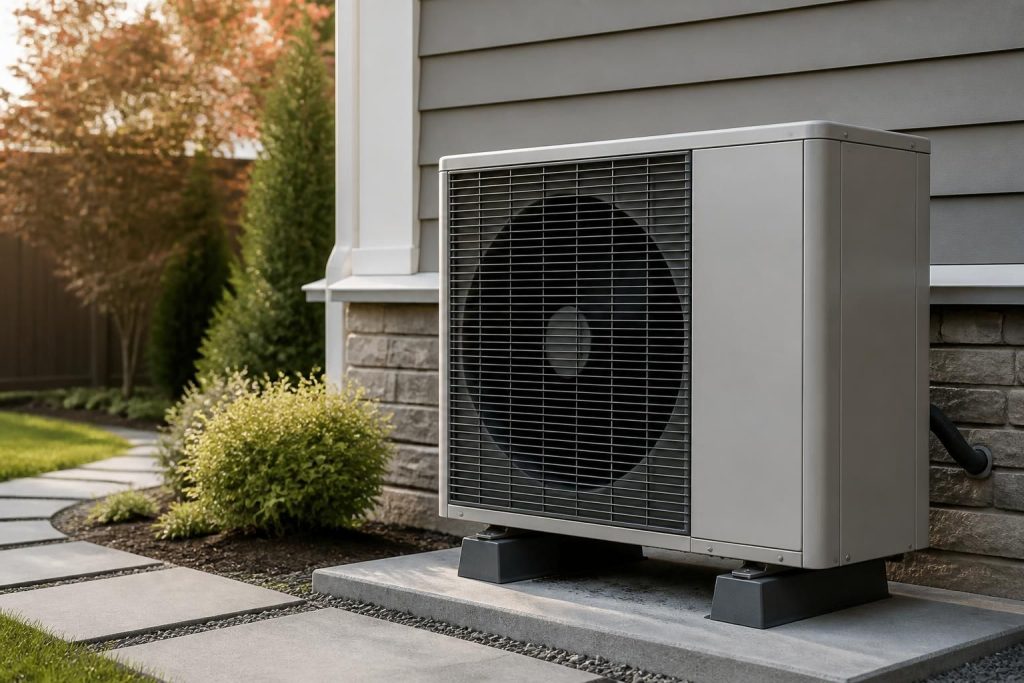
Keep your heat pump steady, quiet, and ready with local service from ReliableFix HVAC Repair Service.
Learn More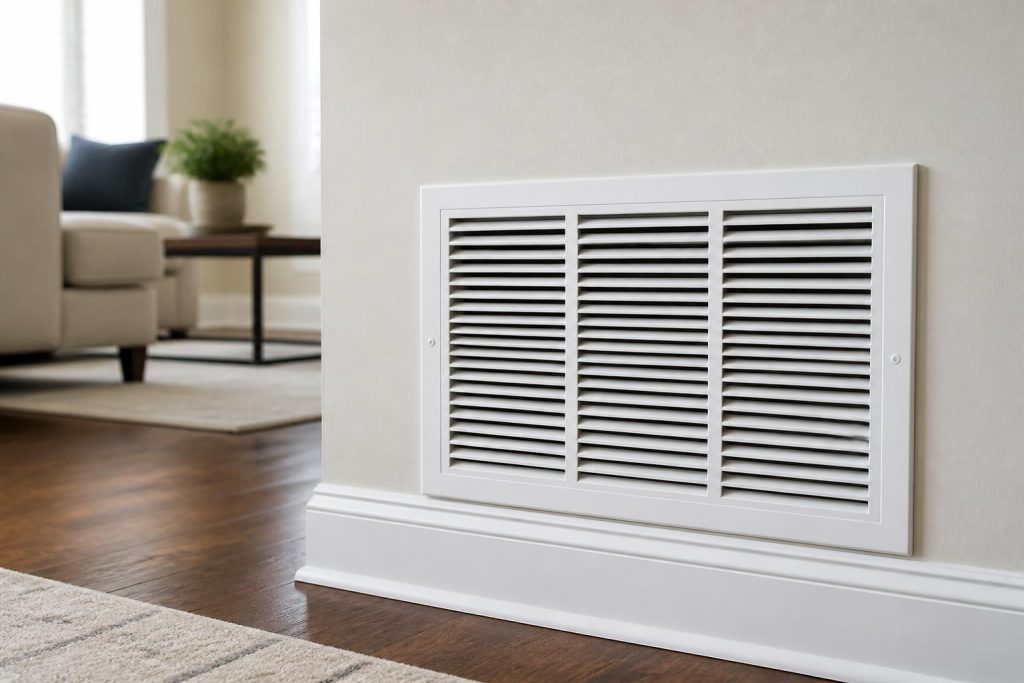
Clear out dust, buildup, and stale air with duct cleaning for Dublin homes.
Learn More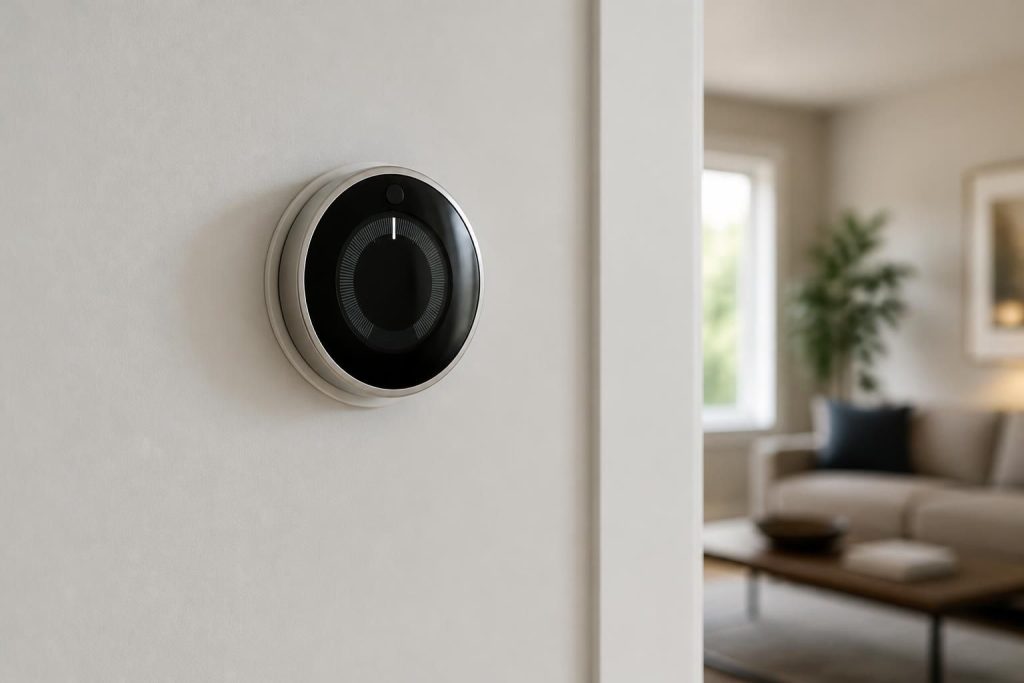
Restore accurate temperature control with thermostat repair service for Dublin, California homes.
Learn More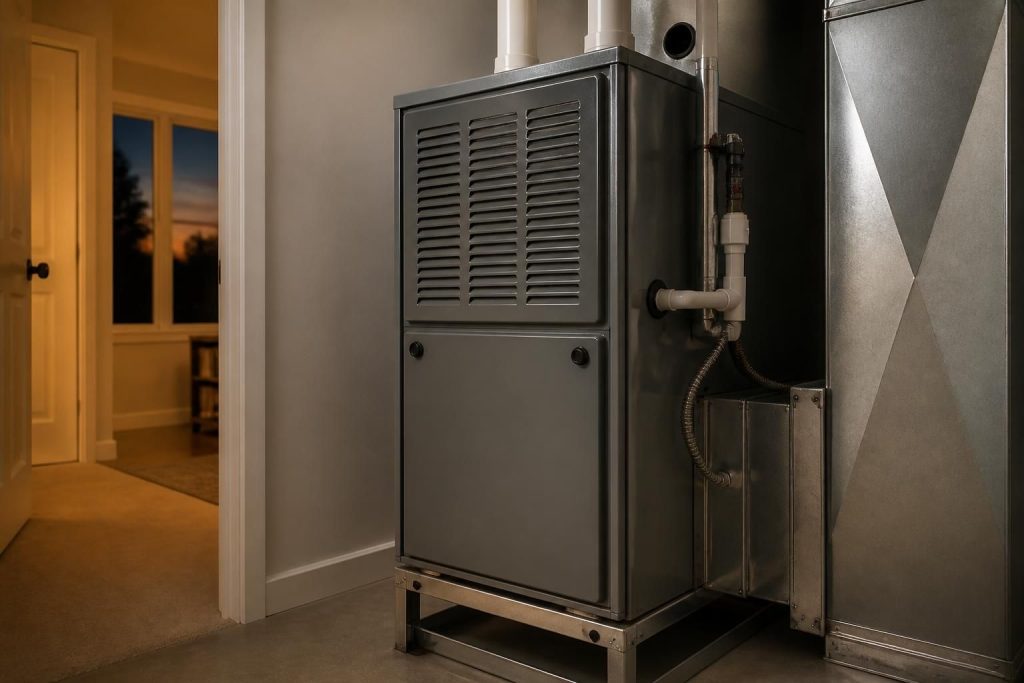
Fast HVAC help for sudden heating or cooling breakdowns, right when Dublin homes need it.
Learn More
Cleaner indoor air starts with solving the dust, odor, and airflow problems you keep noticing.
Learn More
Tell us what your system is doing and we will help you take the next step with clear communication and prompt support.