HVAC Repair in Dublin, CA
Furnace Installation in Sunol
Properly sized furnace replacement with careful installation, venting checks and full start-up testing.
HVAC Repair in Dublin, CA
Properly sized furnace replacement with careful installation, venting checks and full start-up testing.
Replacing a furnace is a bigger decision than a repair, and it helps to have clear information before you commit. ReliableFix works with Sunol homeowners to choose a furnace that fits the house, connect it properly to the existing system and make sure it runs safely from the first cycle.
Whether your current unit has given out or you are planning ahead, we keep the process organized and explain each step.
Age alone does not decide it, but several signs together often do:
A furnace that is too large heats in short bursts and wears itself out. One that is too small runs nonstop on cold nights. That is why installation starts with a look at your home rather than a quick swap.
Sunol's climate leans mild, with most heating needed on cool winter evenings and wet stretches rather than extended deep freezes. For many homes, that means comfort and steady operation matter more than raw heating capacity. A two stage or variable speed furnace can run gently for longer periods, which helps keep temperatures even.
Older houses in the area may have furnaces in attics, garages or crawlspaces with venting that was designed for an earlier unit. Part of our planning is making sure the new furnace's venting and clearances suit the location. If your home also needs cooling, we can discuss pairing the furnace with an air conditioner or heat pump so the components work together.
A new furnace performs only as well as the system around it. Homeowners often combine installation with duct cleaning to clear years of dust, a thermostat upgrade for better control and indoor air quality improvements such as better filtration. Once the furnace is running, regular HVAC maintenance keeps it clean and in good working order.
Many straightforward replacements are completed in a day. Projects that involve moving the unit, changing venting or modifying ductwork can take longer, and we will tell you what to expect during planning.
Often, yes. We inspect the ducts for leaks, damage and sizing before installation. If sections need repair or adjustment, we point them out so the new furnace can deliver air properly.
Someone should be there at the start to give access and at the end so we can show you how the system works. In between, you are free to go about your day.
Here to Help
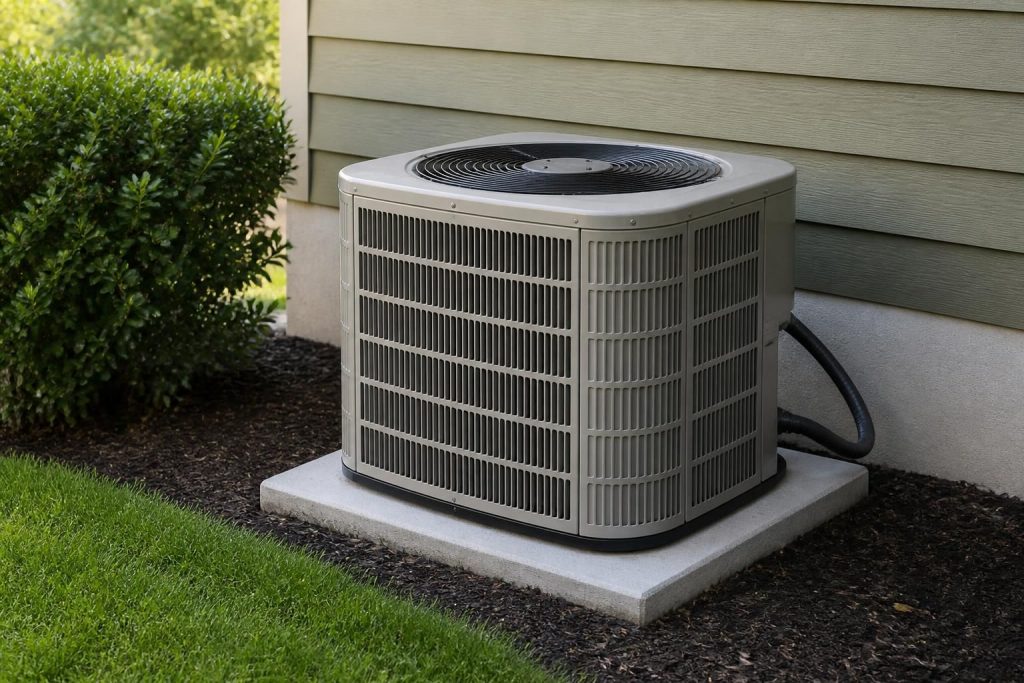
Fast AC repair for Dublin, California homes with weak airflow, warm air, strange sounds, and repeat breakdowns.
Learn More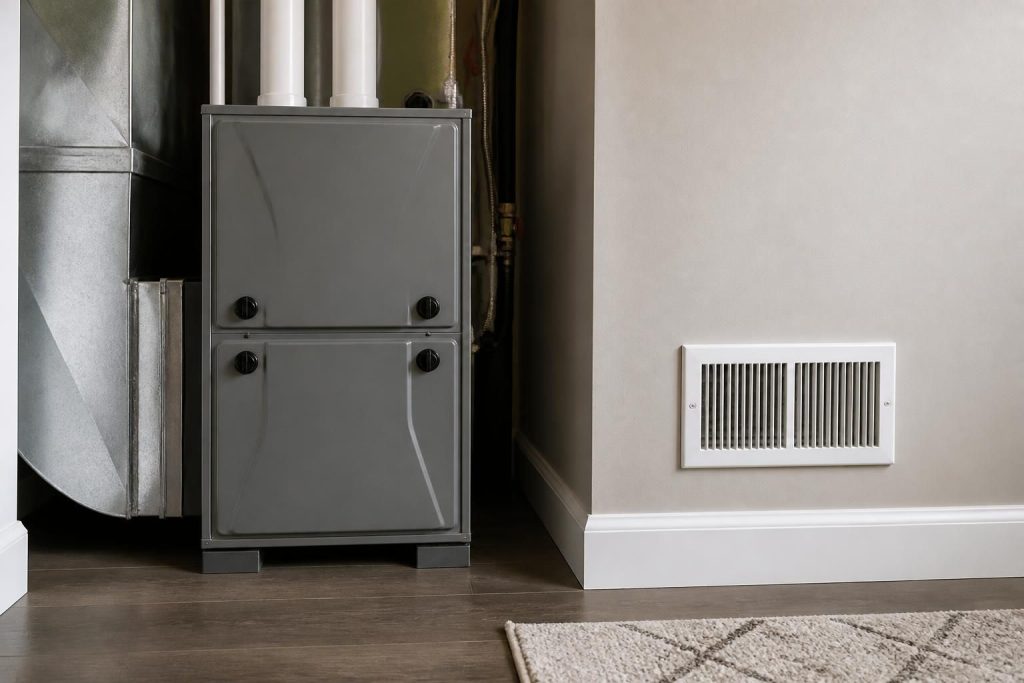
Heating problems can leave your Dublin home cold, uneven, and uncomfortable fast.
Learn More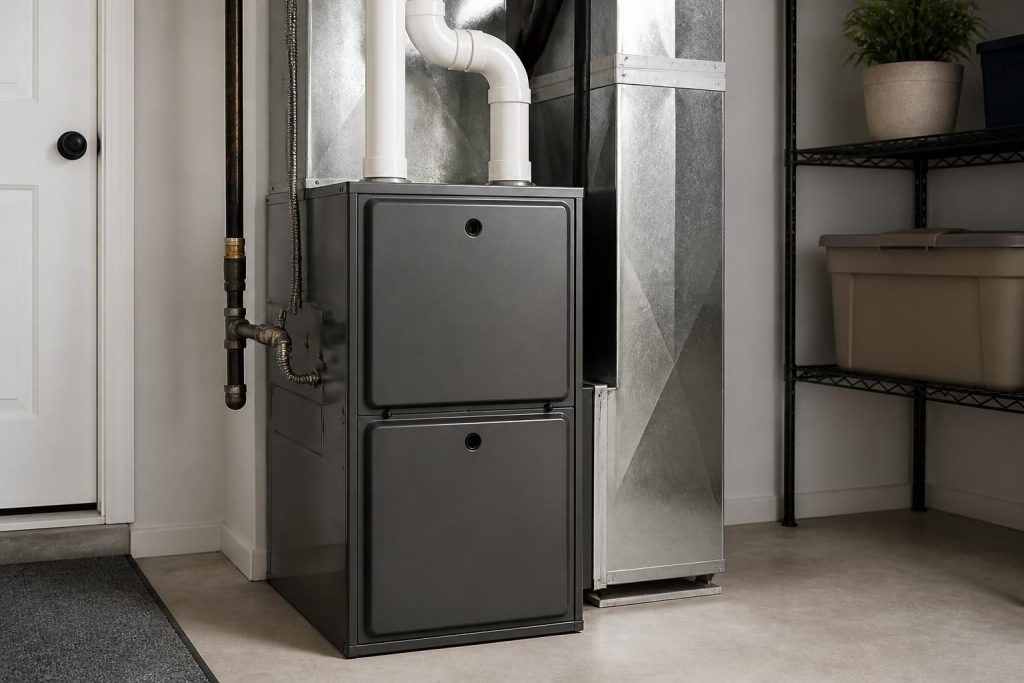
Need a new furnace in Dublin, California? Get clear guidance, fast scheduling, and careful installation.
Learn More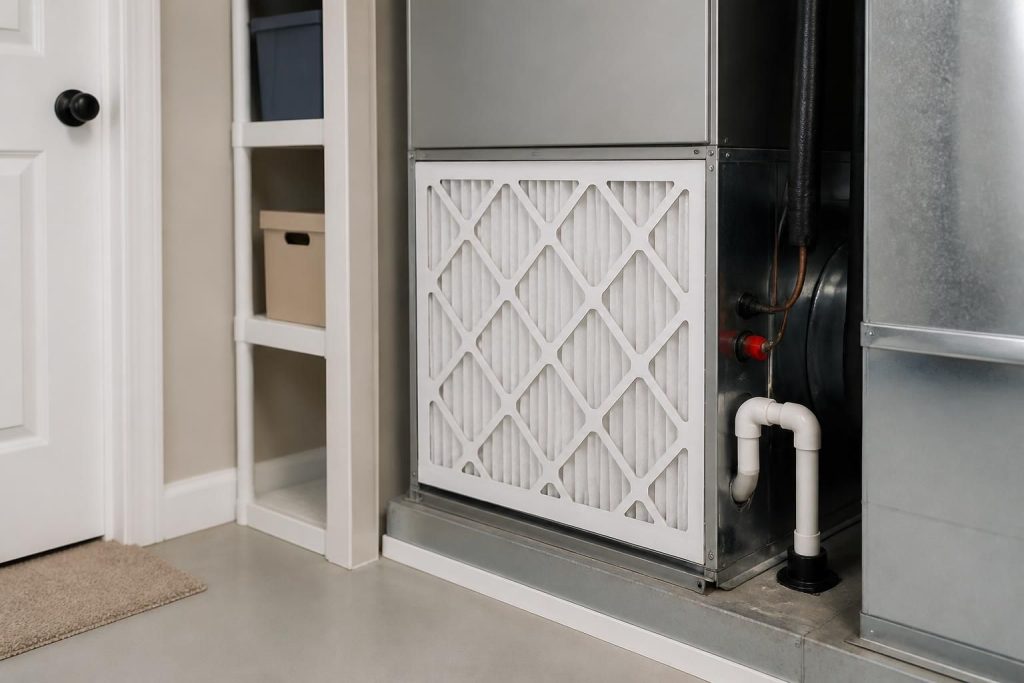
Keep your HVAC system steady, efficient, and ready for daily use in Dublin.
Learn More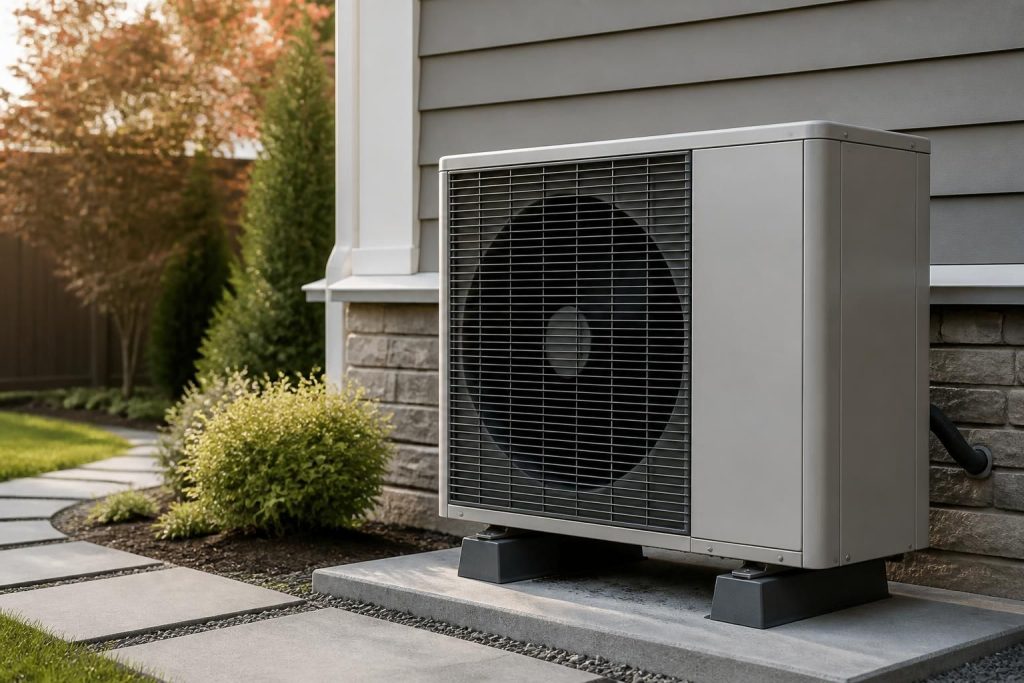
Keep your heat pump steady, quiet, and ready with local service from ReliableFix HVAC Repair Service.
Learn More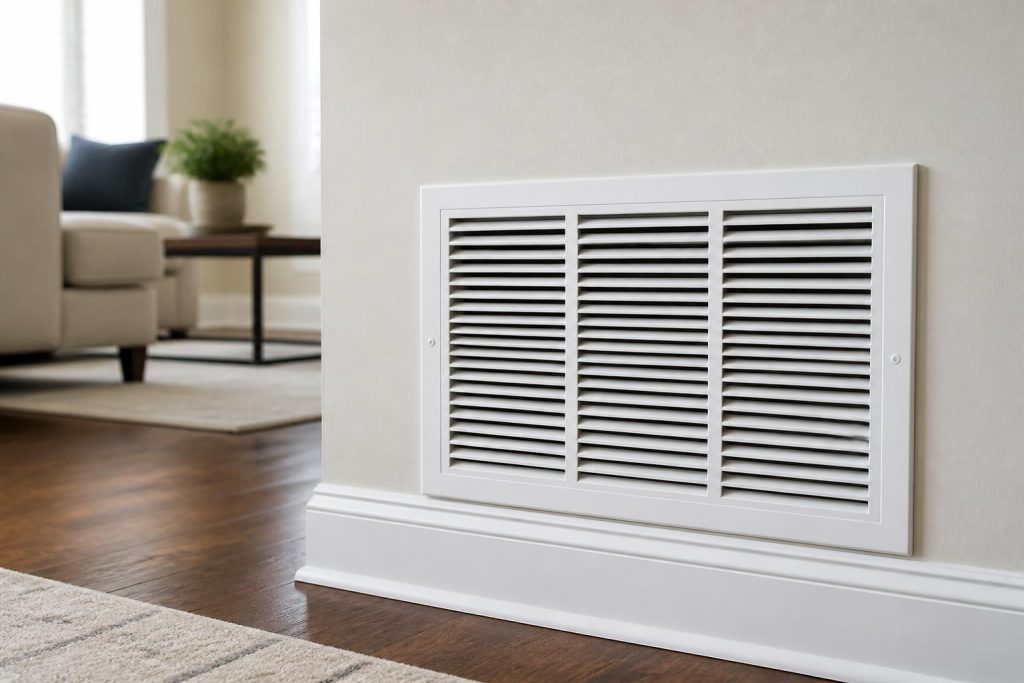
Clear out dust, buildup, and stale air with duct cleaning for Dublin homes.
Learn More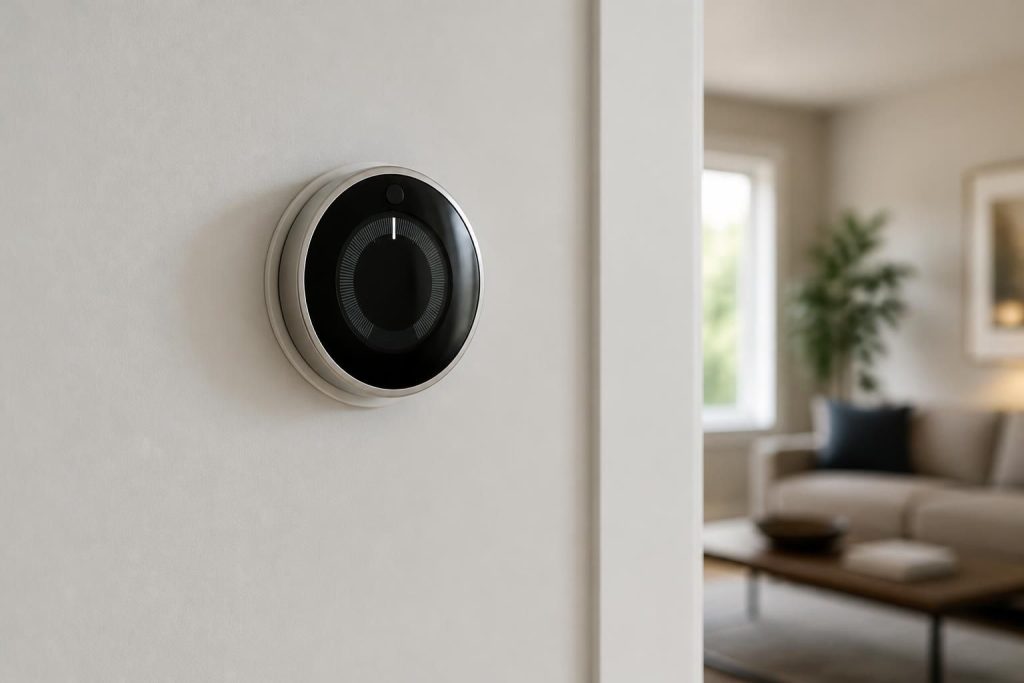
Restore accurate temperature control with thermostat repair service for Dublin, California homes.
Learn More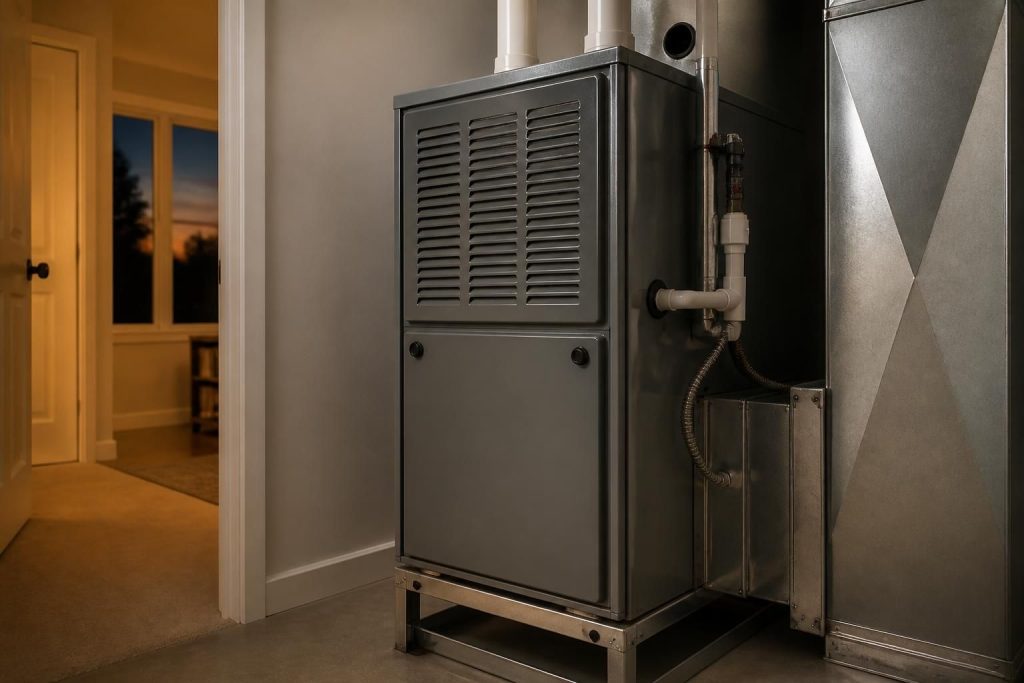
Fast HVAC help for sudden heating or cooling breakdowns, right when Dublin homes need it.
Learn More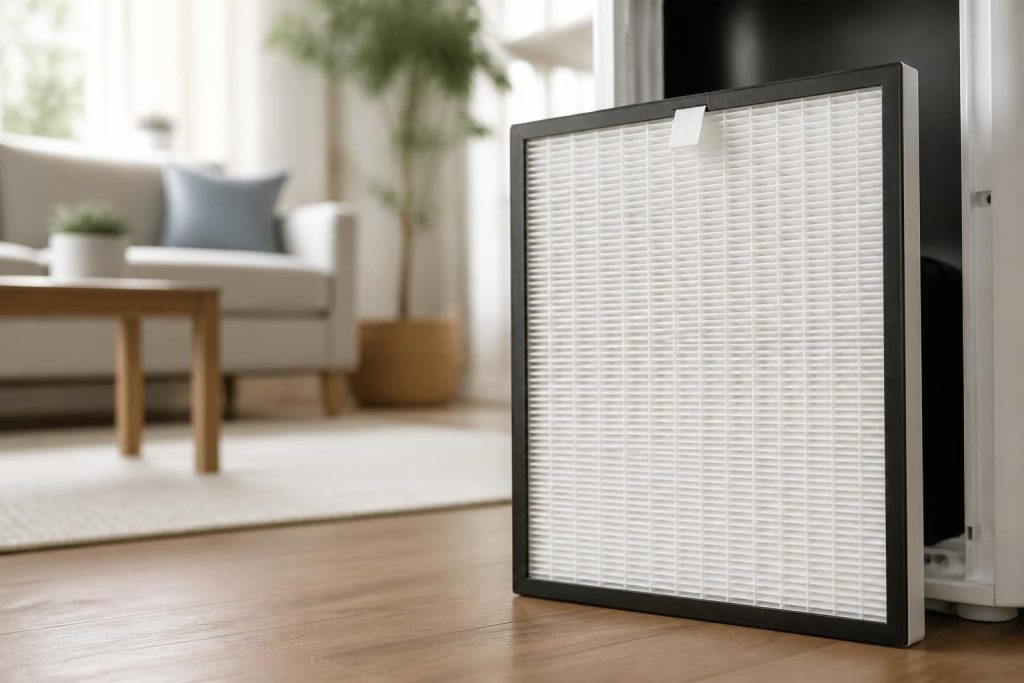
Cleaner indoor air starts with solving the dust, odor, and airflow problems you keep noticing.
Learn More
Tell us what your system is doing and we will help you take the next step with clear communication and prompt support.