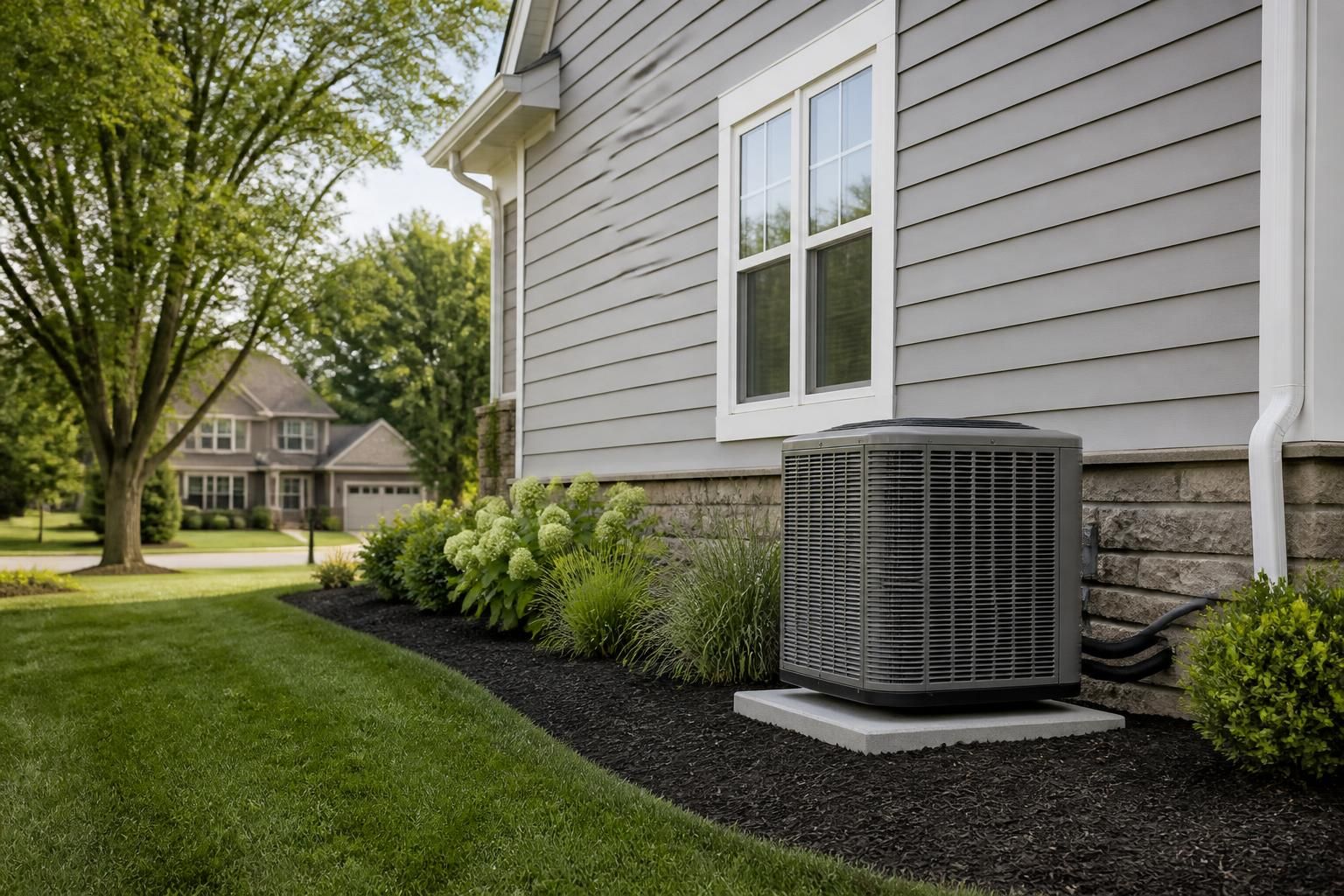
HVAC Repair in Dublin, CA
Heating Repair in Blackhawk
Repairs for furnaces and heating systems that won't start, cycle constantly, or leave rooms cold.
HVAC Repair in Dublin, CA
Repairs for furnaces and heating systems that won't start, cycle constantly, or leave rooms cold.
Most of the year, a heater in Blackhawk sits quietly in the background. Then the first chilly, rainy stretch of late fall arrives and the system has to work again after months of rest. That restart is when many problems show up: a dusty burner, a weak igniter, or a blower motor that has been slowly wearing out.
We handle heating repair for homes across Blackhawk, traveling from Dublin to diagnose gas furnaces, heat pumps in heating mode, and the thermostats that control them.
The East Bay climate gives heating equipment long periods of downtime. Dust settles on burners and sensors, pests can find their way into cabinets, and small electrical issues go unnoticed until the system is called on. Larger homes with furnaces in attics or garages add another layer, since those spaces see big temperature swings and are easy to forget about.
Homes built in the 1980s and 1990s may also still have original or second-generation equipment. Older furnaces can keep running for many years, but their parts tend to need more frequent attention.
If you ever smell gas, leave the home and contact your gas utility before calling for HVAC service.
Our technician begins with the thermostat to confirm it is calling for heat properly, then moves to the equipment. On a gas furnace, that usually means inspecting the igniter, flame sensor, burners, inducer motor, pressure switches, and blower. We also look at the filter and the venting.
For heat pumps, we check the reversing valve, defrost controls, and backup heat. After we identify the problem, we explain what failed and what the repair involves, so you can decide how to proceed.
A repair solves today's problem. These services help with what comes next:
A faint dusty smell for the first several minutes of the season is common, since dust on the heat exchanger burns off. If it lasts or smells like melting plastic or electrical wiring, turn the system off and have it checked.
A clogged filter, a failing blower, leaky ducts, or a problem with the burners can all reduce heat output. Rooms far from the furnace are usually the first to feel it.
Yes. We work on both, including heat pumps that use a furnace or electric strips as backup heat.
Here to Help
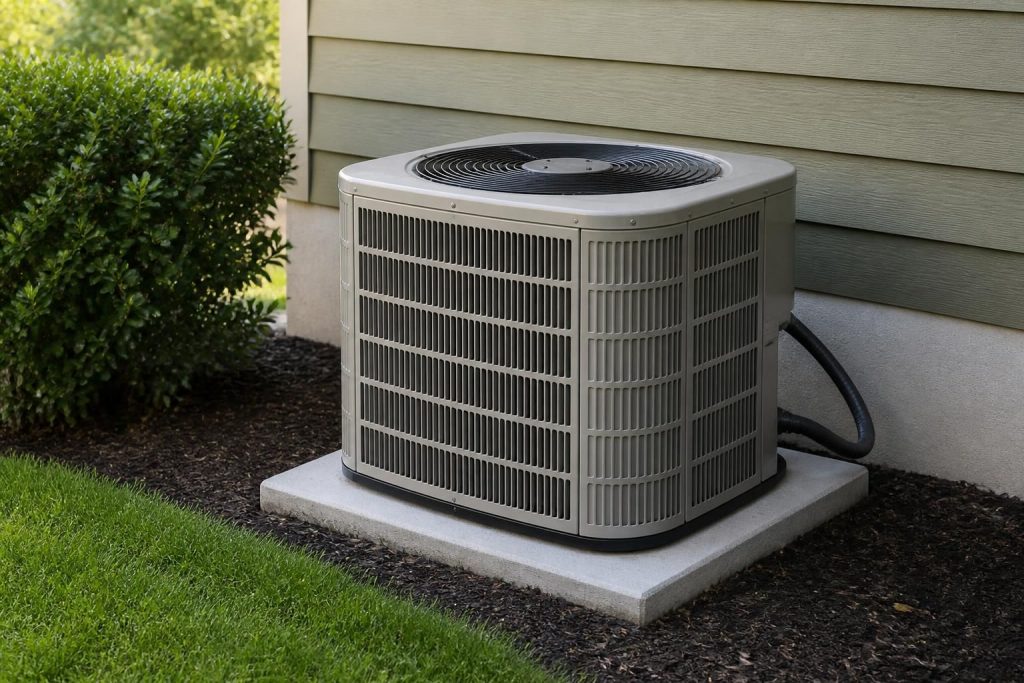
Fast AC repair for Dublin, California homes with weak airflow, warm air, strange sounds, and repeat breakdowns.
Learn More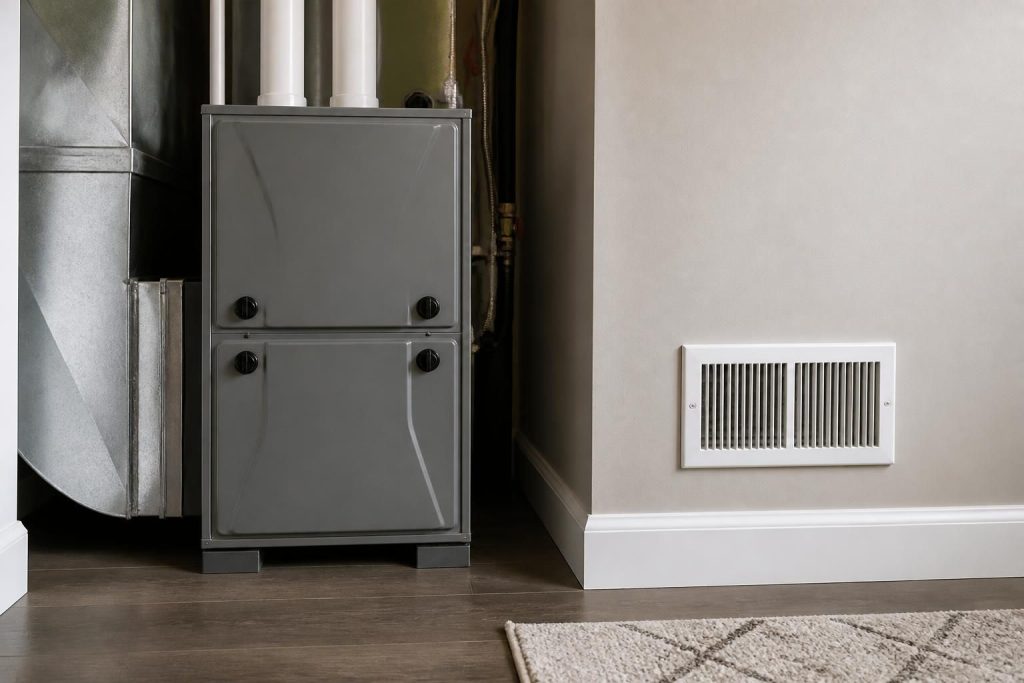
Heating problems can leave your Dublin home cold, uneven, and uncomfortable fast.
Learn More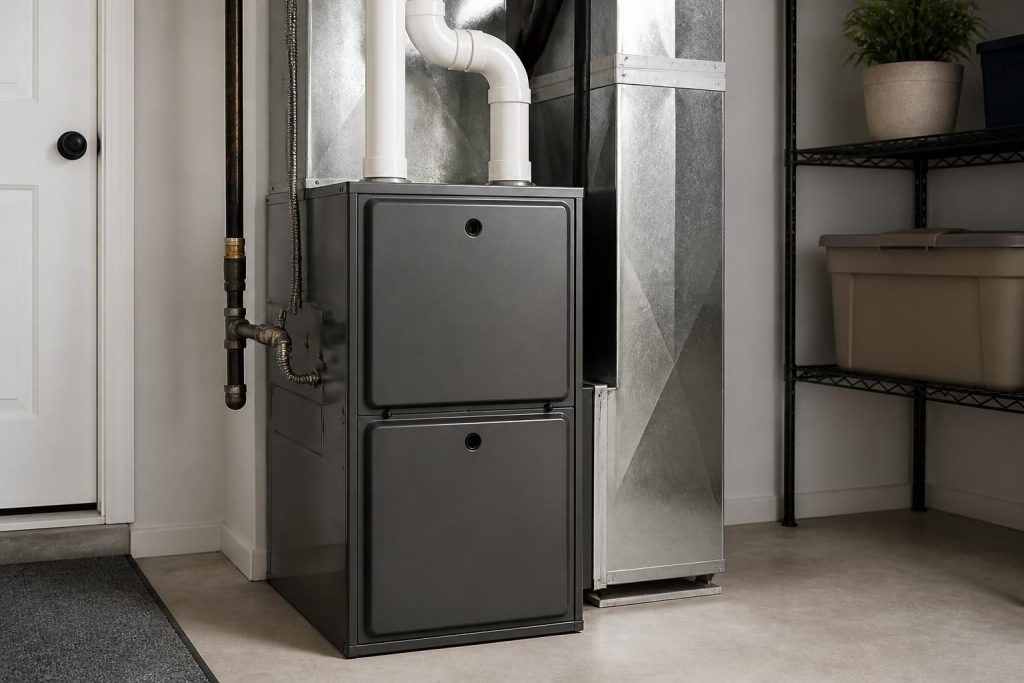
Need a new furnace in Dublin, California? Get clear guidance, fast scheduling, and careful installation.
Learn More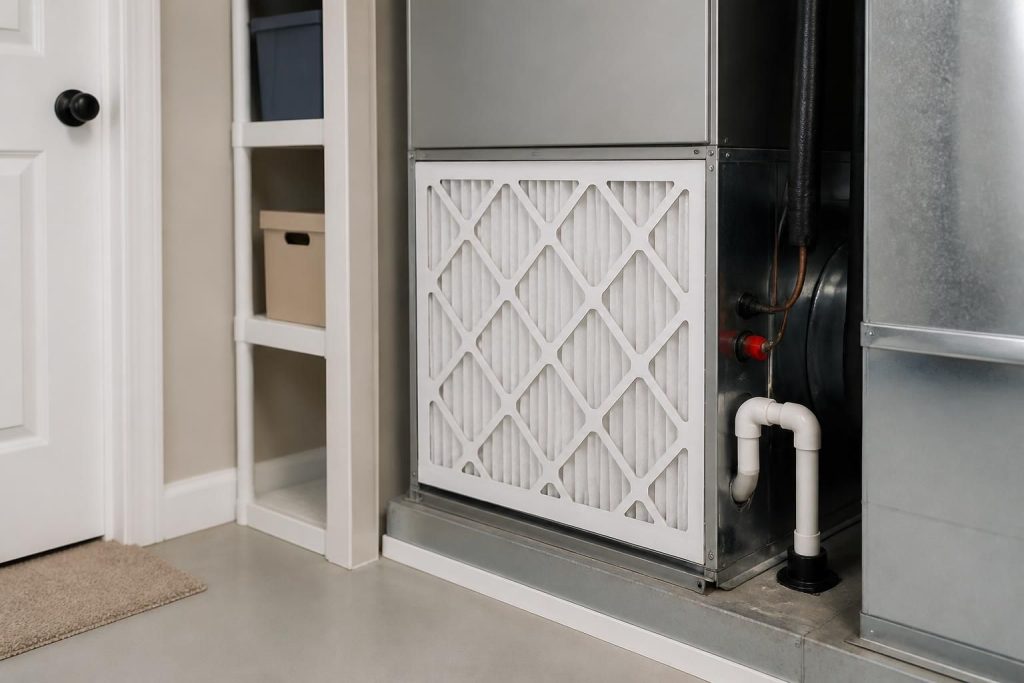
Keep your HVAC system steady, efficient, and ready for daily use in Dublin.
Learn More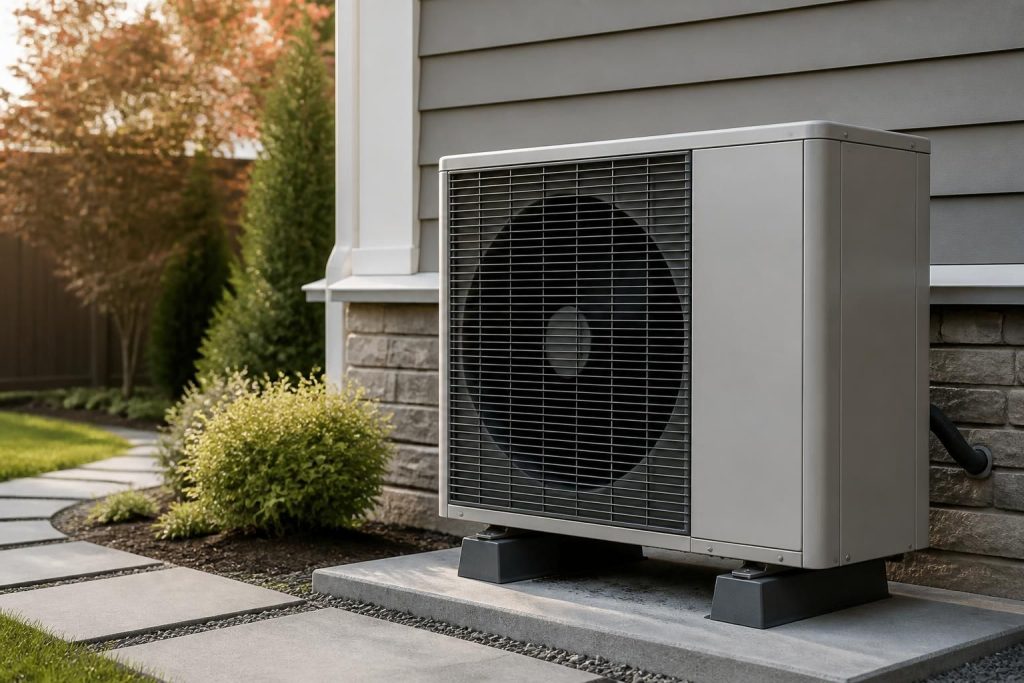
Keep your heat pump steady, quiet, and ready with local service from ReliableFix HVAC Repair Service.
Learn More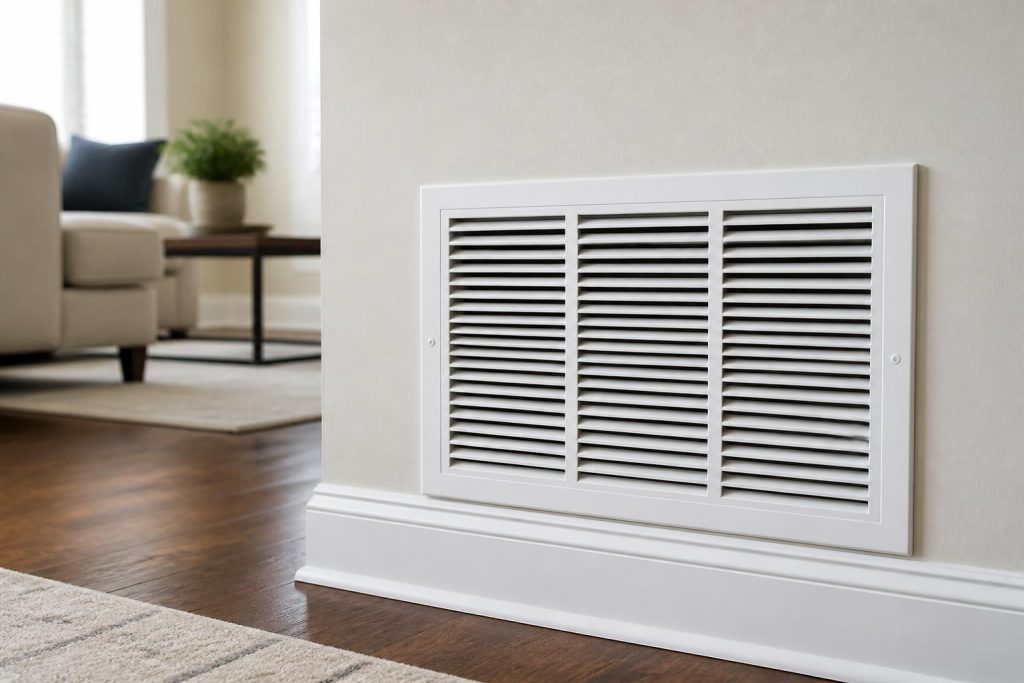
Clear out dust, buildup, and stale air with duct cleaning for Dublin homes.
Learn More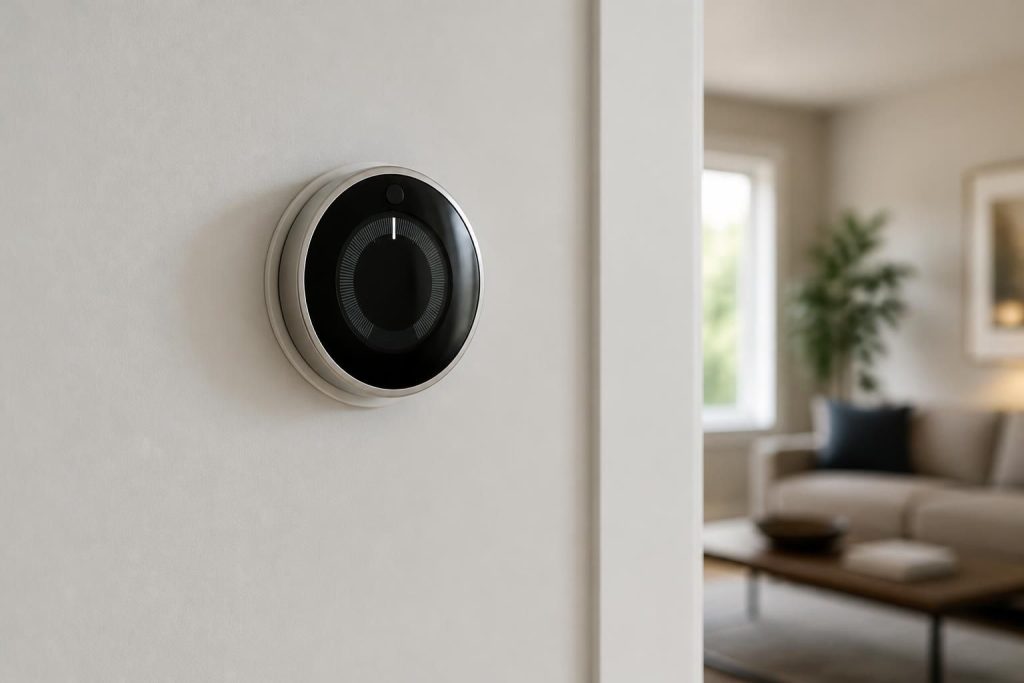
Restore accurate temperature control with thermostat repair service for Dublin, California homes.
Learn More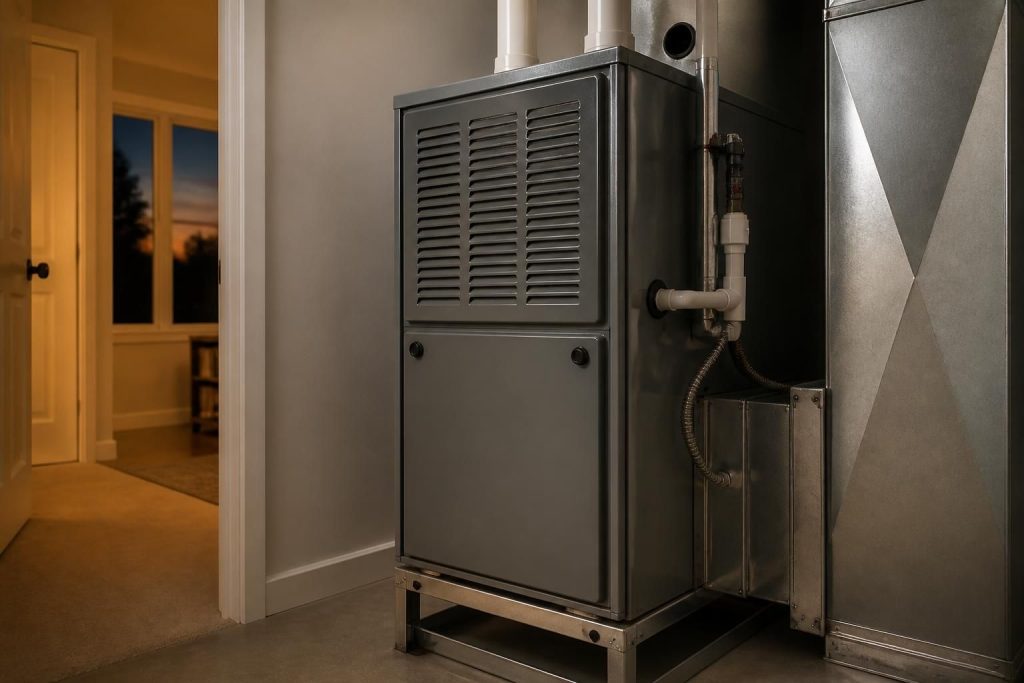
Fast HVAC help for sudden heating or cooling breakdowns, right when Dublin homes need it.
Learn More
Cleaner indoor air starts with solving the dust, odor, and airflow problems you keep noticing.
Learn More
Tell us what your system is doing and we will help you take the next step with clear communication and prompt support.